
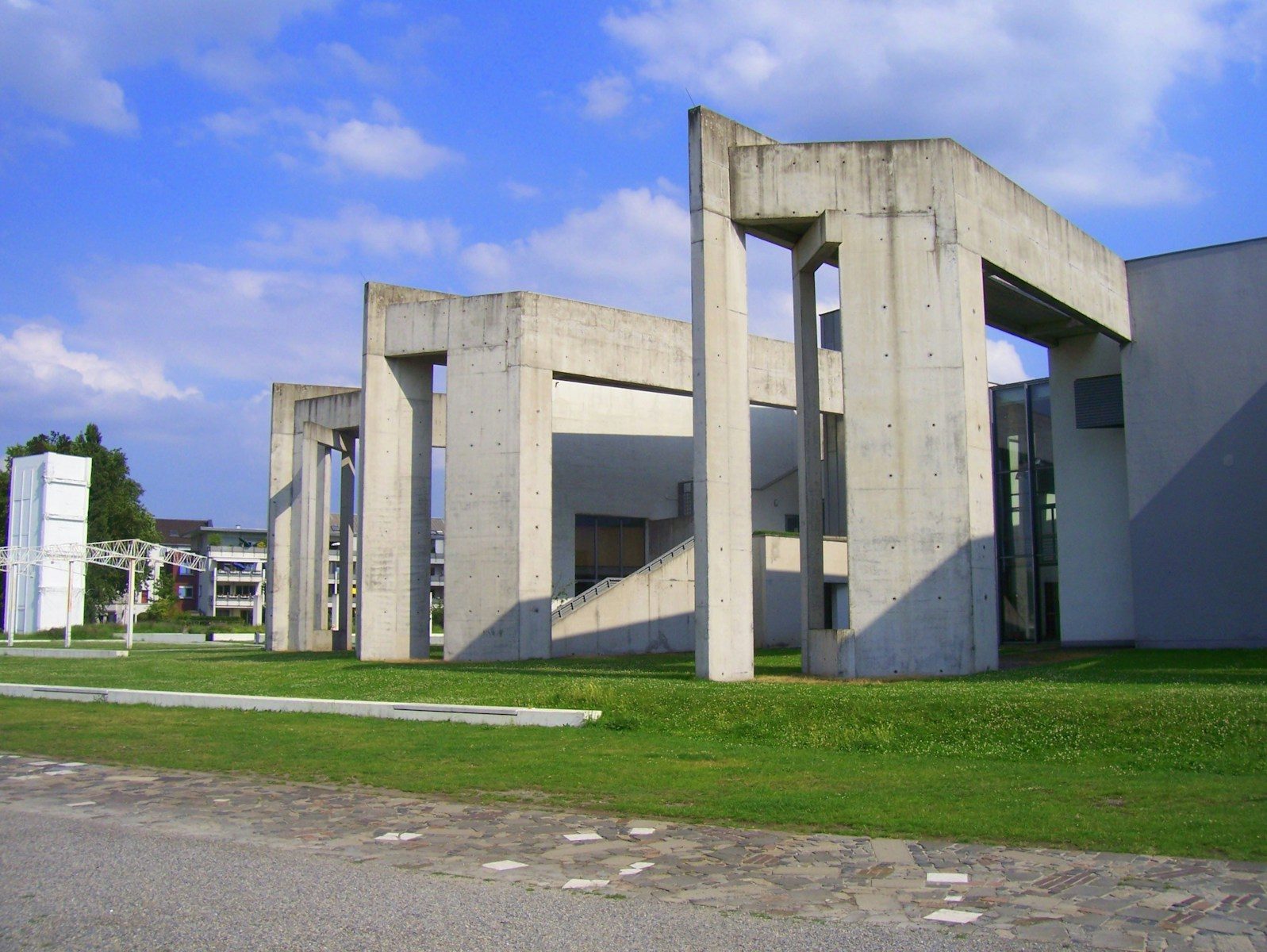
When we stepped into the Johannesburg Apartheid Museum, we thought we knew the basics: Nelson Mandela, 1994, the end of apartheid. But walking those halls showed us how much we didn’t know — and why every traveler should see this for themselves. Here’s exactly what we learned at the Johannesburg Apartheid Museum, and why it sticks with us long after leaving.
Get To Know The Traveling Taylors!
A Museum That Doesn’t Hold Back
First thing you see? Two separate entrances: “White” and “Non-White.” Your ticket randomly decides which door you walk through. It’s uncomfortable — and that’s the point. From the first step, you feel the daily reality millions faced under apartheid. This is a great opportunity to memorialize your experience with a keepsake journal thoughtfully designed for travelers who love capturing memories, documenting adventures, and preserving the fun of every trip.
How Apartheid Worked — Up Close
The museum breaks down how apartheid wasn’t just bad policy — it was a brutal system built to divide, control, and crush freedom. Old ID cards, “pass books,” signs for “Europeans Only” — all chilling reminders that segregation was a lived, daily reality enforced by the law. If you enjoy filming your travel experiences, a tiny wearable camera like this one is a great way to capture hands-free POV footage while walking through iconic locations like the Apartheid Museum.
What we learned: It wasn’t ancient history. Apartheid officially ended in 1994 — many South Africans alive today still remember exactly what those days felt like.
Faces Behind the Headlines
History books talk about leaders — the Apartheid Museum shows everyday people. Black South Africans forced from their homes under forced removals. Students risking their lives in the Soweto Uprising. Families torn apart for “breaking” race laws.
One section shows real pass books and photos — you see the fear in people’s eyes and the courage too.
For solo travelers or couples exploring the Apartheid Museum, a smart face-tracking phone tripod like this one can automatically follow your movement and help capture great videos hands-free.
The Resistance Was Massive
We learned that the anti-apartheid movement wasn’t just Mandela. It was students, miners, unions, artists, and brave neighbors who sheltered activists at huge personal risk.
The museum’s film reels and old news clips show marches, strikes, songs, and speeches — ordinary people demanding freedom. The fight wasn’t easy — many were jailed, tortured, or killed for daring to say “enough.”
Moments That Stopped Us Cold
One room shows a haunting field of nooses — each one represents a political prisoner executed for resisting apartheid. It’s silent, cold, and hits hard.
Then there’s the Room of Democracy — where the mood shifts. Here, you stand before massive photos of the 1994 election lines: people voting freely for the first time in their lives. From despair to hope in one building. Many travelers recommend an ultimate travel action camera like this for capturing stunning photos and videos of every adventure in incredible detail.
What It Taught Us About South Africa Today
The Johannesburg Apartheid Museum reminded us: South Africa’s story didn’t “end” in 1994. Many people still live with the scars of that era — but there’s pride too. A reminder that change is possible, no matter how impossible it feels.
When you leave, you don’t just understand the past — you see how it shapes daily life now. Visiting Soweto, seeing Mandela’s house, or talking to locals all feels different after you’ve been here.
What to Know Before You Go
📍 Where: Ormonde, just south of central Johannesburg.
⏰ When: Wednesday–Sunday, usually 9 am–5 pm — check before you go.
🎟️ Tickets: About ZAR 150–200 (USD \$8–\$10). Buy at the door or join a guided tour that includes Soweto. Many travelers use quality hybrid active noise cancelling headphones like these that help them clearly hear their tour guide.
Plan for at least 2–3 hours — there’s a lot to take in. Some rooms can be intense — but it’s worth seeing every part.
Tips to Make It Meaningful
✅ Go early: Mornings are quieter.
✅ Take your time: Some displays are emotional — pause and absorb.
✅ Combine with Soweto: Many guides include the museum with township tours — it ties the history to real places. Comfortable shoes are essential when exploring Soweto, and many travelers recommend supportive walking sneakers like these for full days of sightseeing.
If you’d rather have a guide bring this history to life, this guided Apartheid Museum and Soweto tour pairs the museum with Vilakazi Street, Mandela House, and the Hector Pieterson Memorial in one half-day — an easy way to tie the exhibits to the real places where it all happened.
What We’d Tell Other Travelers
Don’t skip it. The wildlife, beaches, and winelands are all amazing — but this museum will stay with you longer than any sunset. It shows why South Africa is the Rainbow Nation — resilient, complex, still healing. Staying hydrated during long sightseeing days is important, so many travelers carry a collapsible water bottle like this one that folds flat when it’s empty.
What We Learned at the Johannesburg Apartheid Museum
In the end, what we learned at the Johannesburg Apartheid Museum is simple: travel isn’t just about pretty places — it’s about understanding people’s stories, no matter how hard they are to hear.
Related History Reads
✅ Johannesburg: A First-Timer’s Guide to Its Hidden History
✅ Johannesburg City: Is It Worth Visiting? Here’s the Truth
✅ Is South Africa Safe to Visit? Here’s the Truth
✅ Johannesburg Apartheid Museum: Why You Shouldn’t Skip It
✅ Soweto: What to Know Before You Visit
✅ Soweto Hector Pieterson Memorial: Why You Should Visit
✨ Questions about visiting? Drop us a comment at www.thetravelingtaylors.world — we’re happy to share what we learned and help you plan a trip that goes deeper than a guidebook ever could.









Share your thoughts with us! Leave a Comment!