

During our trip to Zimbabwe, we realized something fast—communication isn’t about perfection. A few thoughtful words in the local Zimbabwe language made shopkeepers smile, taxi rides smoother, and cultural experiences more immersive. If you’re visiting, this guide is packed with real-world tips to help you speak just enough to thrive.
Get To Know The Traveling Taylors!
Do I Need to Speak the Zimbabwe Language to Visit?
Short answer: No.
Long answer: You’ll have a better trip if you know a little.
Most Zimbabweans speak English fluently, especially in cities, hotels, and tourist areas like Victoria Falls and Harare. But outside those zones? You’ll likely hear Shona (spoken by over 70% of the population) or Ndebele (common in the southwest).
💡 Quick Context: Zimbabwe has 16 official languages, but Shona, Ndebele, and English are the ones you’ll hear most.
Top Survival Tips for Using Zimbabwe Language as a Tourist
You don’t need full conversations—just a few key moves to get by and show respect.
🧠 1. Learn 5 Power Phrases in Shona
These will take you far:
- Hello – Mhoro
- Thank you – Tatenda
- How much? – Zvinodhura zvakadii?
- Please – Ndapota
- Goodbye – Sara zvakanaka
📌 Pro Tip: Practice saying them before your trip. Locals light up when they hear visitors try—even if it’s not perfect. For the full rundown with pronunciations, see our Zimbabwe language guide.
Because sightseeing often means lots of photos and videos, having a reliable travel backpack like this one makes it easy to carry your camera gear and accessories so you can video and take photos of you trying to speak Shona with the locals. These memories are unforgettable.
📱 2. Download an Offline Language App
Connectivity can be spotty, especially in rural areas. Download a phrasebook or use Google Translate offline (select Shona in advance).
Recommended apps:
- Simply Learn Shona
- uTalk Zimbabwean Languages
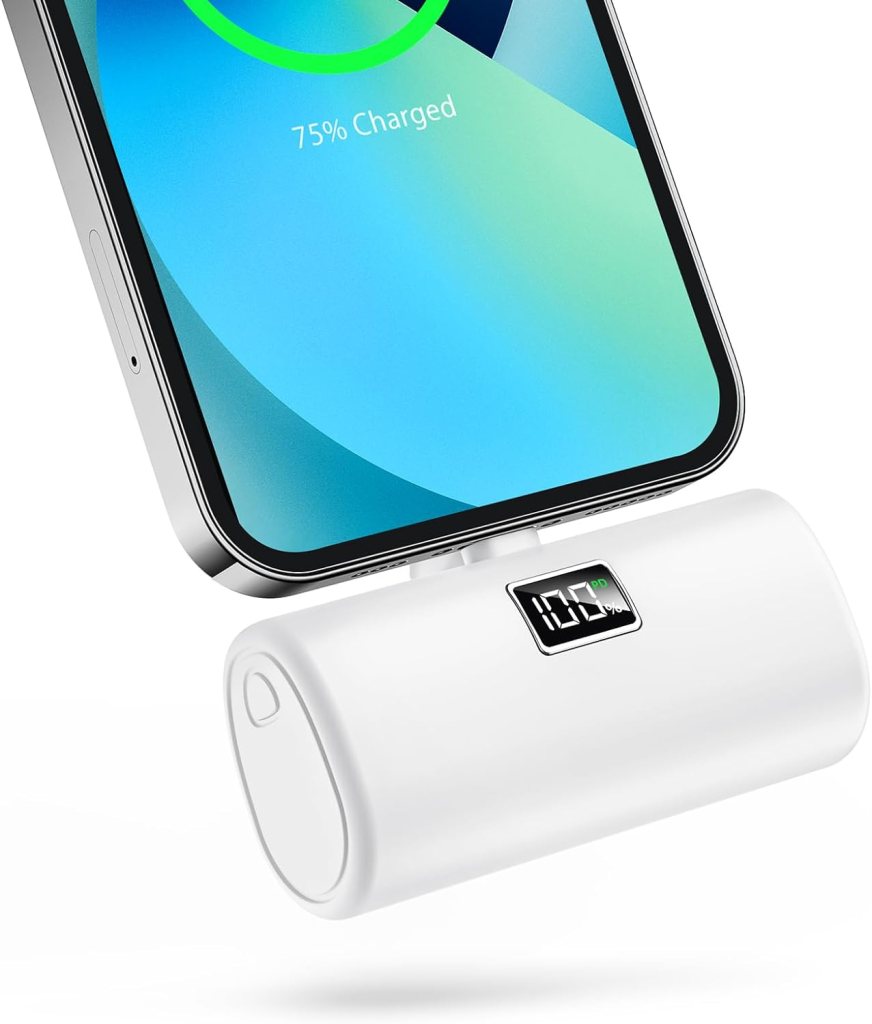
Some travelers carry a mini portable charger like this one in their pocket or bag so they always have backup battery power for their phones so they can use their downloaded phrasebook in rural areas when there is no wi-fi.
🗣️ 3. Use English Strategically
Speak slowly, smile, and simplify your words. For example:
Instead of “Can I please have one bottle of water?” try “One bottle water, please.”
This works wonders in busy markets, taxis, or when ordering food.
💬 4. Don’t Panic if You Don’t Understand
When you hit a language wall, try these:
- Handisi kunzwisisa — “I don’t understand” (Shona)
- Ngicela usizo — “Please help” (Ndebele)
Or just gesture, smile, and keep things light. Most Zimbabweans are incredibly helpful and patient with tourists.
📍 5. Know Where Language Gaps Are Common
Be especially mindful in:
- Rural villages – Limited English spoken
- Markets & taxis – Quick local slang
- Community-based tourism – Language immersion opportunities.
If you’re planning a village homestay or cultural tour, ask your guide to teach you a few phrases beforehand! Because some travelers like guided tours, they use noise cancelling wireless earbuds like these to clearly hear the tour guide in busy areas. This is a great opportunity to learn a few local phrases.
Bonus: Zimbabwe Language Etiquette for Travelers
✔️ Greet first: Start every conversation with a friendly hello—it’s a sign of respect.
✔️ Avoid slang: English slang can be misunderstood. Stick to clear, simple speech.
✔️ Use gestures politely: A thumbs-up is okay, but pointing can be seen as rude.
✔️ Say thank you often: Tatenda goes a long way!
How to Practice Before You Go
Make language prep part of your travel excitement! Try:
- Repeating phrases aloud daily
- Watching Zimbabwe YouTubers with subtitles
- Labeling items at home with Shona words
Even 5 minutes a day builds confidence fast.
Your Guide to Zimbabwe Language Confidence
You don’t need to be fluent to thrive in Zimbabwe—you just need to try. With these survival tips, you’ll avoid awkward moments, connect with locals, and experience more of what makes Zimbabwe so vibrant and welcoming. For everything else you’ll want to plan, our Zimbabwe travel guide pulls it all together.









Share your thoughts with us! Leave a Comment!