

When we visited Zimbabwe, we quickly realized how far a few local words can go. Whether we were ordering sadza, bargaining at street markets, or laughing with new friends in Victoria Falls, knowing even basic phrases made a difference. Here’s your quick-and-easy Zimbabwe language guide—no fluff, just the essentials you’ll actually use.
Get To Know The Traveling Taylors!
What Language Do They Speak in Zimbabwe?
Zimbabwe has 16 official languages, but don’t worry—you don’t need to learn them all. If you’re curious about who speaks what across the country, our Zimbabwe population breakdown adds helpful context. The three most widely spoken are:
- Shona – Spoken by over 70% of the population, especially in central and eastern Zimbabwe.
- Ndebele – Common in the southwest, including Bulawayo.
- English – Used in schools, business, and government—most Zimbabweans speak it fluently.
Pro Tip: English is fine for getting around, but knowing a bit of Shona or Ndebele shows respect and opens doors to deeper connections.
Getting ready to explore this place for yourself? Packing efficiently makes traveling easier, which is why many travelers use compression packing cubes like these to keep their luggage organized.
7 Zimbabwe Language Phrases You’ll Actually Use
These practical phrases are mostly in Shona, since it’s the most commonly used language. Trust us—they come in handy more than you’d think!
1. Hello — Mhoro (Shona) / Sawubona (Ndebele)
Use this when greeting anyone—it’s a universal icebreaker.
2. How are you? — Makadii? (Shona)
Locals appreciate this small gesture. Reply with Ndiripo, kana iwe? (“I’m fine, and you?”).
3. Thank you — Tatenda (Shona) / Ngiyabonga (Ndebele)
A must-know. You’ll be using this at restaurants, shops, and guesthouses.
4. Please — Ndapota (Shona)
Helps when making polite requests—especially in busy markets.
5. How much is this? — Zvinodhura zvakadii? (Shona)
Essential if you plan on buying anything—from souvenirs to street snacks.
6. I don’t understand — Handisi kunzwisisa (Shona)
Helpful when conversations move too fast or get too deep.
7. Goodbye — Sara zvakanaka (to one person) / Fambai zvakanaka (to a group)
A warm way to end any encounter.
When to Use the Zimbabwe Language
You’ll get the most mileage out of these phrases in:
- Local markets – Try bargaining in Shona, even just a little.
- Taxis or combis – Drivers often use local lingo.
- Small towns or villages – English might be less common here.
- Cultural experiences – Like cooking classes, dance shows, or homestays.
Quick Tip: Smile when you speak—locals are more forgiving of pronunciation than you think.
If you’re exploring crowded attractions or markets, some travelers like carrying a hidden money belt like this one to keep their passport and cash secure.
Should You Learn More Zimbabwe Language?
It depends on your travel style.
Learn More If:
✅ You’ll be visiting rural areas
✅ You want to connect more deeply with locals
✅ You love cultural immersion
Stick to Basics If:
🟡 You’re mainly staying in tourist zones
🟡 You’re short on time
🟡 You prefer using guides/translators
For heading-out-the-door confidence, pair this guide with our language survival tips for tourists.
Zimbabwe Language Resources for Travelers
Here are some quick tools to help you practice:
- Google Translate: Surprisingly decent for Shona basics.
- YouTube: Search “Learn Shona for travel” for pronunciation videos.
- Phrasebook Apps: Try Simply Learn Shona (Android/iOS).
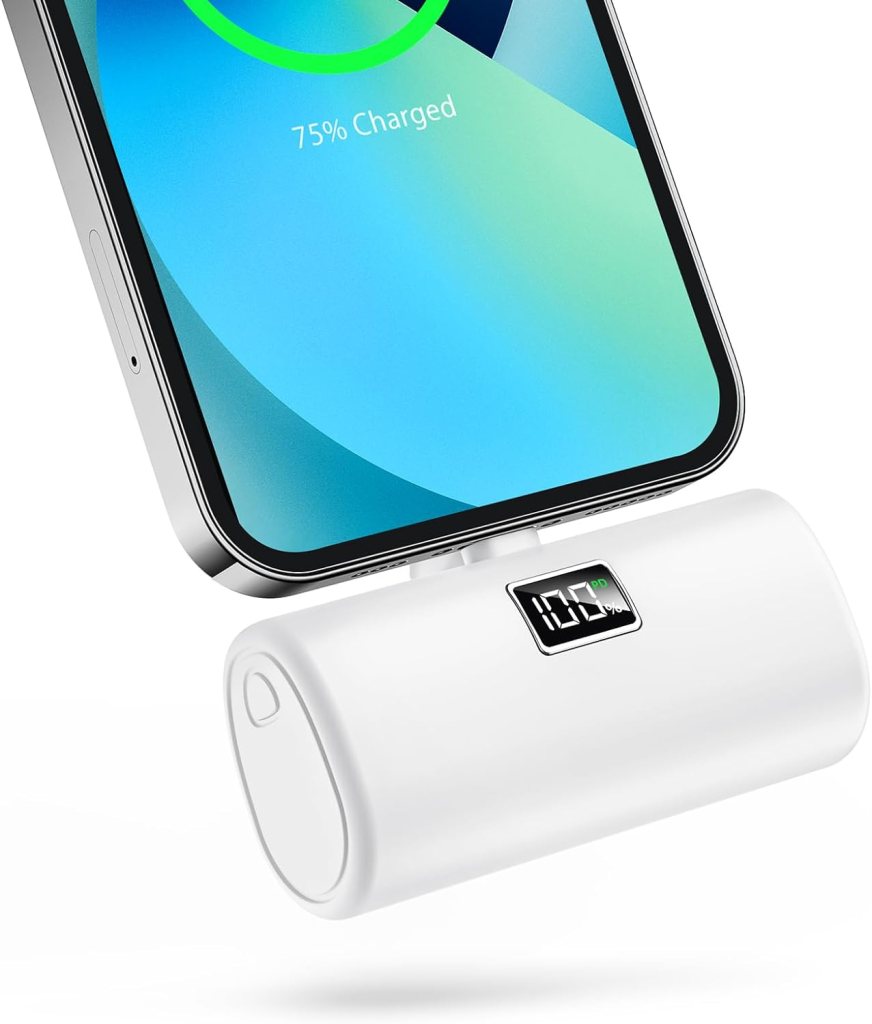
Some travelers carry a mini portable charger like this one in their pocket or bag so they always have backup battery power for their phones to make sure they have access to these language resources.
Why Learning the Zimbabwe Language Matters
Language is one of the easiest—and most meaningful—ways to connect with people. Even just saying “thank you” in Shona made vendors light up, and it showed locals that we were there to learn, not just look.
Make the Zimbabwe Language Part of Your Trip
Don’t stress about fluency—just aim to use a few phrases from this Zimbabwe language guide each day, and fold your language prep into your wider Zimbabwe travel guide planning. You’ll stand out in the best way, and your trip will feel all the more real and personal.






Share your thoughts with us! Leave a Comment!