

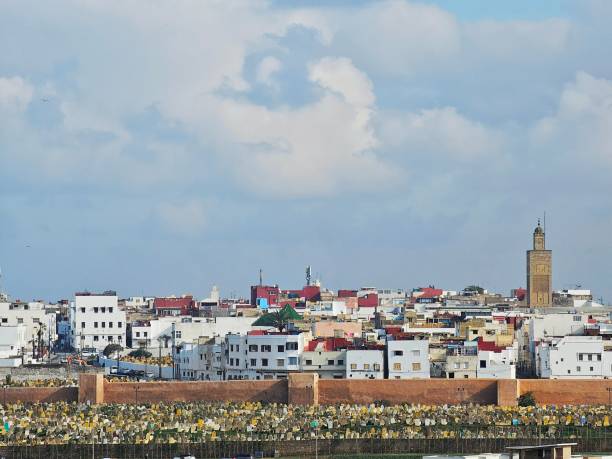
On our recent trip to Rabat, one stop stood out above all others: the towering, mysterious remains of the Rabat Hassan Tower. Standing incomplete yet impressively grand, it left us wondering—why was it never finished? Here’s what we learned, and why this iconic site still draws visitors from around the world.
Get To Know The Traveling Taylors!
The History Behind Rabat Hassan Tower
The Rabat Hassan Tower was commissioned in 1195 by Sultan Yacoub al-Mansour, the powerful ruler of the Almohad Caliphate. His vision? To build the world’s largest mosque, complete with a minaret that would rival anything seen in the Islamic world.
The tower was intended to soar over 80 meters high, flanked by hundreds of columns and arches forming a vast prayer hall. But construction came to an abrupt halt in 1199 when the sultan died. Without his leadership and resources, the ambitious project was abandoned.
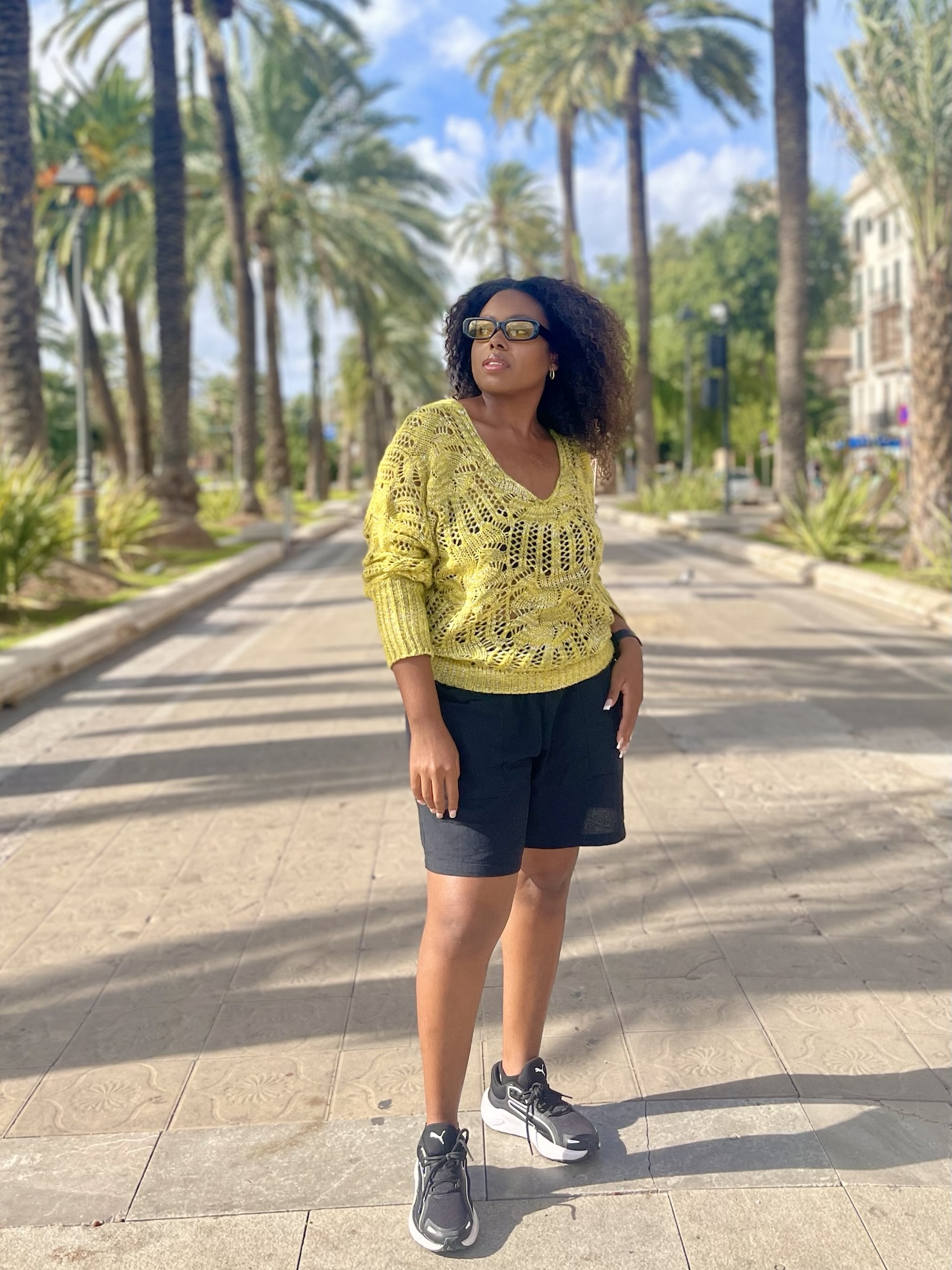
Wandering the sprawling grounds means plenty of time on your feet, so a pair of supportive walking sneakers like these will keep you comfortable all day.
What Remains Today
Though the mosque was never completed, what remains is still incredibly striking. The Hassan Tower stands at 44 meters tall—only about half its intended height—but it commands the skyline. Surrounding it are rows of stone columns that outline the mosque’s original footprint.
These remnants create a surreal, open-air monument that gives visitors a glimpse into the grandeur that might have been. It’s both majestic and haunting, a symbol of ambition paused in time. The towering columns are wonderfully photogenic, and a compact selfie stick tripod like this one makes it easy to frame yourself against them. To walk the site with its full story, you can join a guided walking tour that begins right here at the Hassan Tower.
Why the Tower Was Never Finished
The main reason? Sultan Yacoub al-Mansour’s death. He was the driving force behind the project, and his successors lacked the same vision and resources to carry it forward.
Some historians also believe that the scale of the project may have been overly ambitious from the start. Even if he had lived, completing such a monumental structure would have strained the empire’s finances. Long days of exploring and photographing sites like this drain a phone fast, so many travelers never head out without a portable power bank like this one.
What Makes Rabat Hassan Tower a Must-Visit
- Stunning Architecture: The red sandstone design, intricate carvings, and sheer size of the Hassan Tower make it a standout piece of Islamic architecture.
- Photogenic Views: Visit during golden hour for magical photos among the columns.
- Cultural Significance: It stands next to the Mausoleum of Mohammed V, linking Morocco’s past and present.
- Peaceful Atmosphere: Despite its location in the capital, the site feels serene and meditative.
For travelers looking to capture stunning photos and cinematic-quality videos of Rabat Hassan Tower, a lightweight mirrorless camera like this one is a popular choice among content creators and travel photographers thanks to its impressive image quality and portability.
Tips for Visiting Rabat Hassan Tower
- Go Early or Late: Avoid the midday sun and capture the best light.
- Dress Modestly: It’s a religious site, so cover shoulders and knees. Many women travelers recommend a lightweight, breathable, floral scarf like this that is comfortable to wear year-round, easily folds into a compact size for travel, can be styled as a neck scarf, elegant shawl, or sun-protective wrap.
- Pair Your Visit: The Mausoleum of Mohammed V is just steps away and equally impressive.
- Hire a Guide: For deeper historical context, a local guide can enrich your experience—you can book a half-day private city tour of Rabat to see the tower alongside the capital’s other highlights.
Nearby Attractions to Explore
- Kasbah of the Udayas: A short drive away, this blue-washed fortress offers ocean views. To link it with the tower and medina in one outing, you can reserve a full-day guided walking tour of Rabat’s history and culture.
- Chellah Necropolis: Ancient Roman and Islamic ruins in a quiet garden setting.
- Medina of Rabat: Shop for spices, rugs, and local crafts in this bustling market. If you plan to pair your visit with a wander through Rabat’s busy medina, tucking your valuables into a hidden money belt like this one keeps them safe in the crowds.
Why Rabat Hassan Tower Still Matters
Even unfinished, the Rabat Hassan Tower speaks volumes. It reflects the power, ambition, and artistry of an empire that once ruled much of North Africa and Spain. It also reminds us that even incomplete dreams can leave a lasting legacy.
If you’re exploring Morocco’s capital, don’t skip this remarkable site. It may not have reached its full height, but its story soars.










Share your thoughts with us! Leave a Comment!