
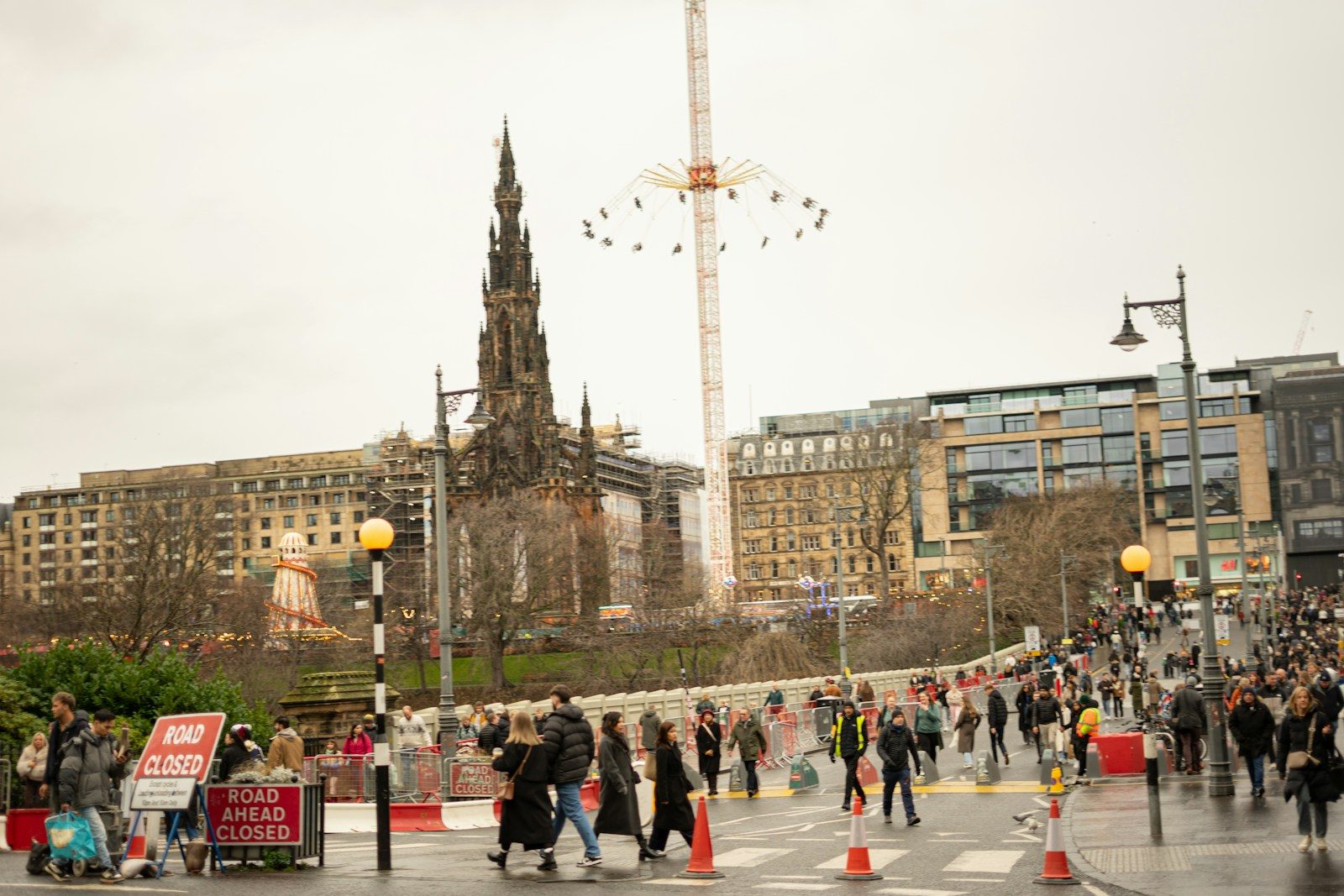
When we traveled across Scotland, we noticed something interesting right away. The cities were lively and full of activity, but just a short drive away the countryside felt quiet and wide open. This contrast made us curious about the Scotland population and how people are spread across the country. Understanding the Scotland population helps explain why certain areas are busy urban centers while others remain peaceful and sparsely populated.
Get To Know The Traveling Taylors!
What Is the Scotland Population?
The Scotland population is currently around 5.5 million people. Compared to many countries of similar size, this is a relatively small population.
Scotland makes up about 8% of the total population of the United Kingdom. Even though Scotland covers a large geographic area, most people live in cities and nearby towns.
This means large parts of the countryside have a very low population density compared to the urban regions.
Thinking about visiting Scotland soon? Many travelers prefer a compact crossbody-style fanny pack like this one because it keeps essentials secure while walking through busy areas.
The Largest Cities in the Scotland Population
A significant portion of the Scotland population lives in a few major cities. These urban areas serve as the economic and cultural centers of the country.
Some of the largest cities in the Scotland population include:
Glasgow
The largest city in Scotland, known for its vibrant arts scene, historic architecture, and strong football culture.
Edinburgh
The capital city and one of the most popular tourist destinations in the country.
Aberdeen
A coastal city known for its connection to the oil and energy industries.
Dundee
A growing city with a reputation for technology, education, and design.
These cities together represent a major share of the Scotland population.
When visiting famous landmarks and scenic viewpoints in these cities, many travelers like bringing a compact selfie stick tripod like this one so they can easily capture photos without asking strangers.
The Central Belt and the Scotland Population
Most of the Scotland population lives in a region known as the Central Belt.
The Central Belt stretches between Glasgow in the west and Edinburgh in the east. This region contains many of Scotland’s largest towns, transportation hubs, and economic centers.
The Central Belt includes:
✔ Major universities
✔ Government institutions
✔ Large industries and businesses
✔ Dense transportation networks
Because of these advantages, the Central Belt has become the most populated area in Scotland.
Thinking about visiting this place soon? Having a lightweight backpack like this one makes it easy to carry essentials such as water, chargers, and extra layers while exploring.
Why the Highlands Have a Smaller Population
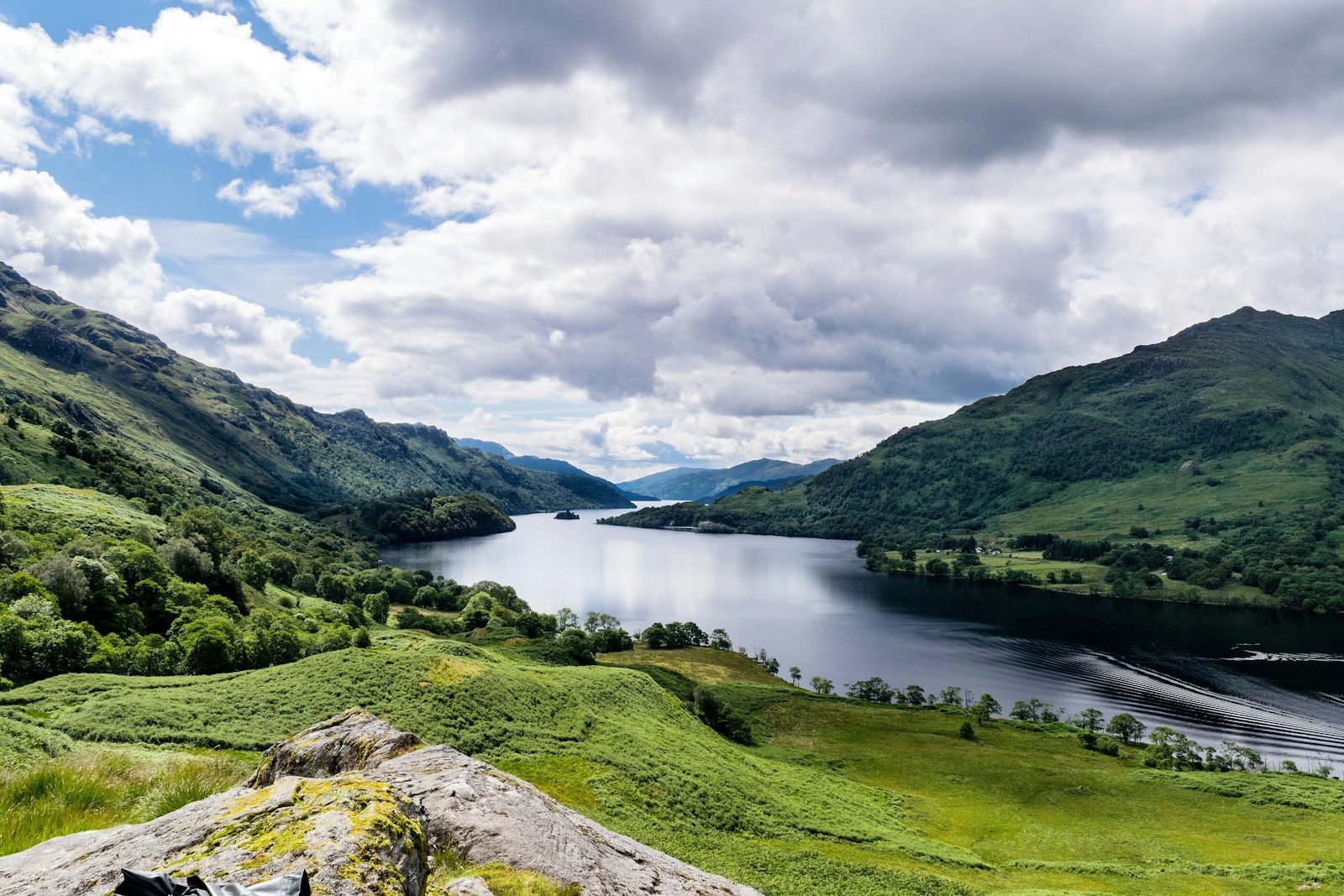
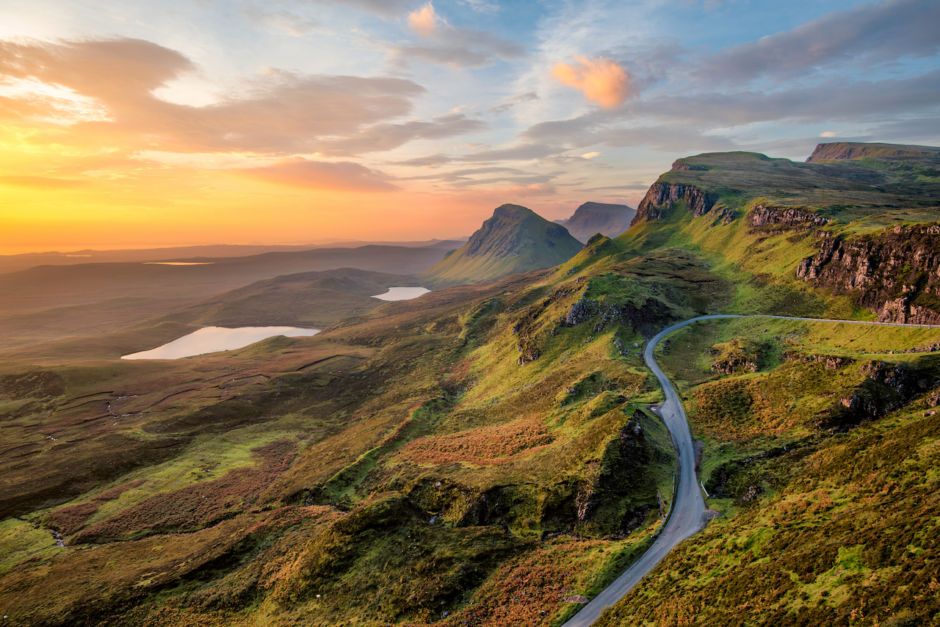
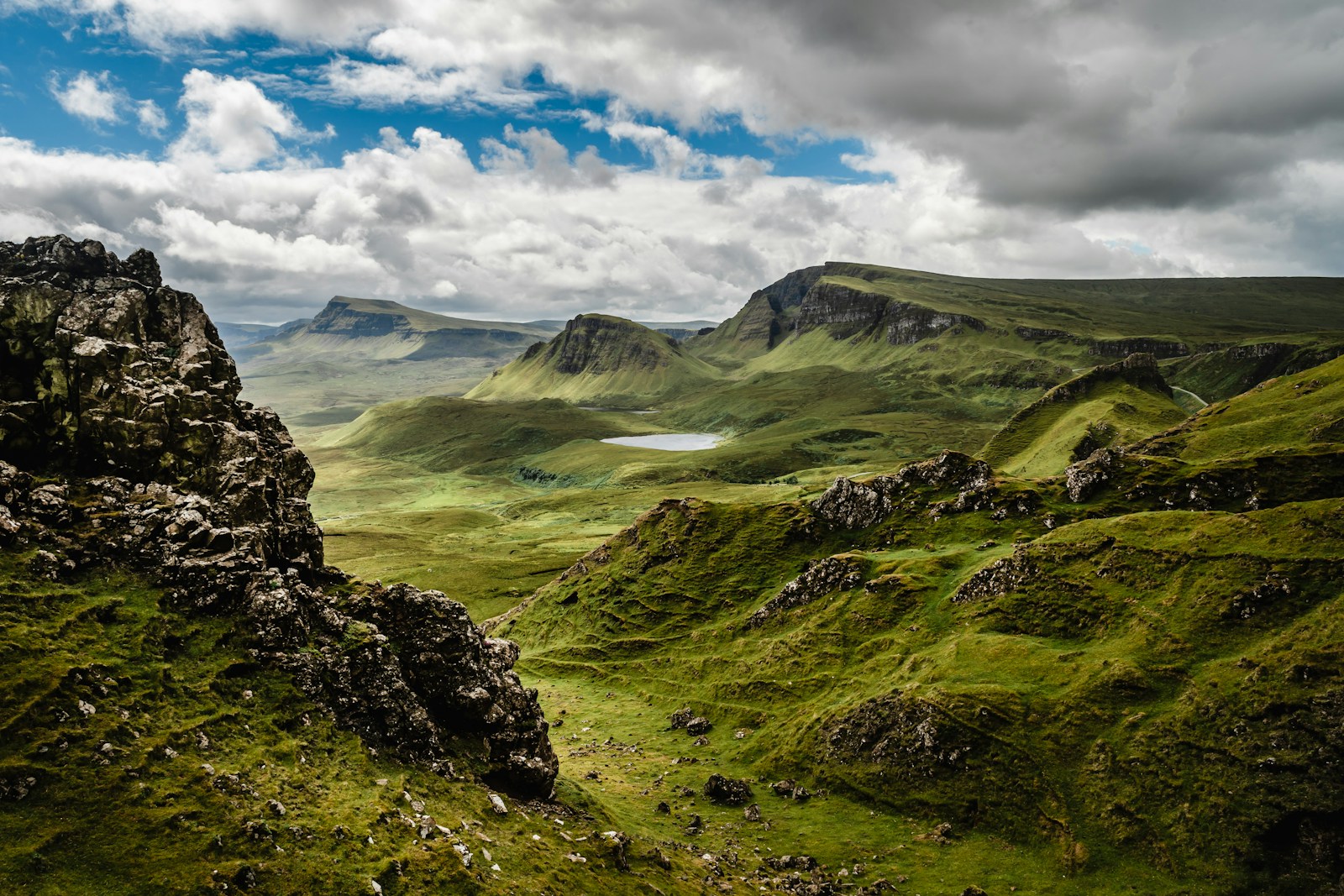
While the Central Belt is heavily populated, the Scottish Highlands remain much quieter.
The Highlands cover a large portion of northern Scotland, but the Scotland population in this region is very small compared to the cities.
Several factors explain this difference:
- Mountainous terrain
- Remote locations far from major urban centers
- Limited infrastructure in some areas
- Historic population changes
Because of these factors, large parts of the Highlands remain sparsely populated.
How the Scotland Population Has Changed Over Time
The Scotland population has changed significantly over the centuries. During the 19th century, many people left rural areas, especially the Highlands.
This period, known as the Highland Clearances, caused large numbers of people to move to cities or emigrate overseas—one of many turning points covered in our overview of Scotland’s history.
In modern times, the Scotland population has gradually increased, especially in urban areas where job opportunities and education attract residents.
Some travelers also carry a mini portable charger like this one in their pocket or bag so they always have backup battery power for maps, photos, and ride apps during their travels.
Diversity Within the Scotland Population
Today, the Scotland population is more diverse than ever before. Immigration and international education have contributed to this change.
Major cities such as Glasgow and Edinburgh have welcomed people from many different countries. These communities have helped shape modern Scottish culture.
As a result, the Scotland population now reflects a blend of traditional Scottish heritage and global influences.
Why Scotland Often Feels Uncrowded
Even though millions of people live in Scotland, the country often feels less crowded than many destinations in Europe.
Several factors explain this feeling:
✔ Large areas of protected natural landscapes
✔ Vast national parks and mountain regions
✔ Smaller towns and villages
✔ Low population density in rural areas
This balance between cities and open landscapes gives Scotland its unique atmosphere.
Planning a trip here in the near future? For travelers who want high-quality photos and videos, a lightweight mirrorless camera like this one is a popular option for documenting trips.
Understanding the Scotland Population
Learning about the Scotland population helps explain why the country feels both lively and peaceful. Cities provide energy, culture, and opportunity, while rural regions offer quiet landscapes and natural beauty.
During our journey, the contrast between busy cities and empty Highland roads made Scotland feel incredibly special. The Scotland population is distributed in a way that preserves both vibrant communities and vast natural spaces.
For travelers exploring the country, understanding the Scotland population offers helpful insight into the geography, history, and culture that shape modern Scotland. If you’re curious why the countryside feels so empty, our companion piece on why the Highlands feel so empty digs deeper.









Share your thoughts with us! Leave a Comment!