
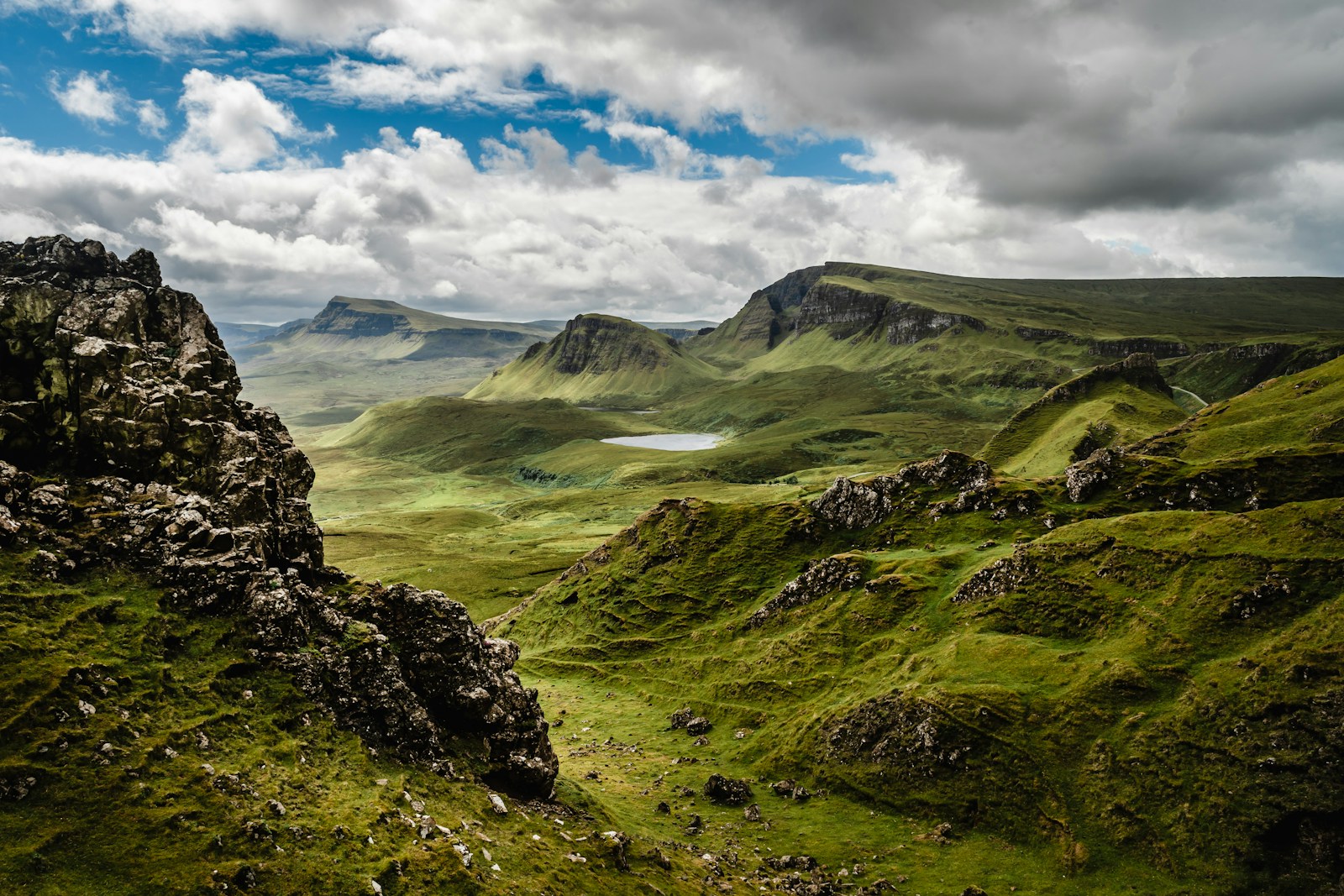
When we traveled through Scotland, one of the first things we noticed was how peaceful the countryside felt. Long stretches of road passed through mountains and valleys without seeing many towns or houses. It made us curious about the Scotland population and why such a beautiful country often feels so uncrowded. The answer lies in Scotland’s geography, history, and how people have settled across the country over time.
Get To Know The Traveling Taylors!
What Is the Scotland Population Today?
The Scotland population is about 5.5 million people. While that might sound like a large number, it’s actually quite small compared to many countries with similar land areas.
Scotland makes up roughly 8% of the population of the United Kingdom, even though it covers about one-third of the land area of Great Britain.
Because of this, the Scotland population is spread out unevenly, with most people living in cities rather than rural areas.
Planning a trip here in the near future? For travelers who want high-quality photos and videos, a lightweight mirrorless camera like this one is a popular option for documenting trips.
Where Most of the Scotland Population Lives
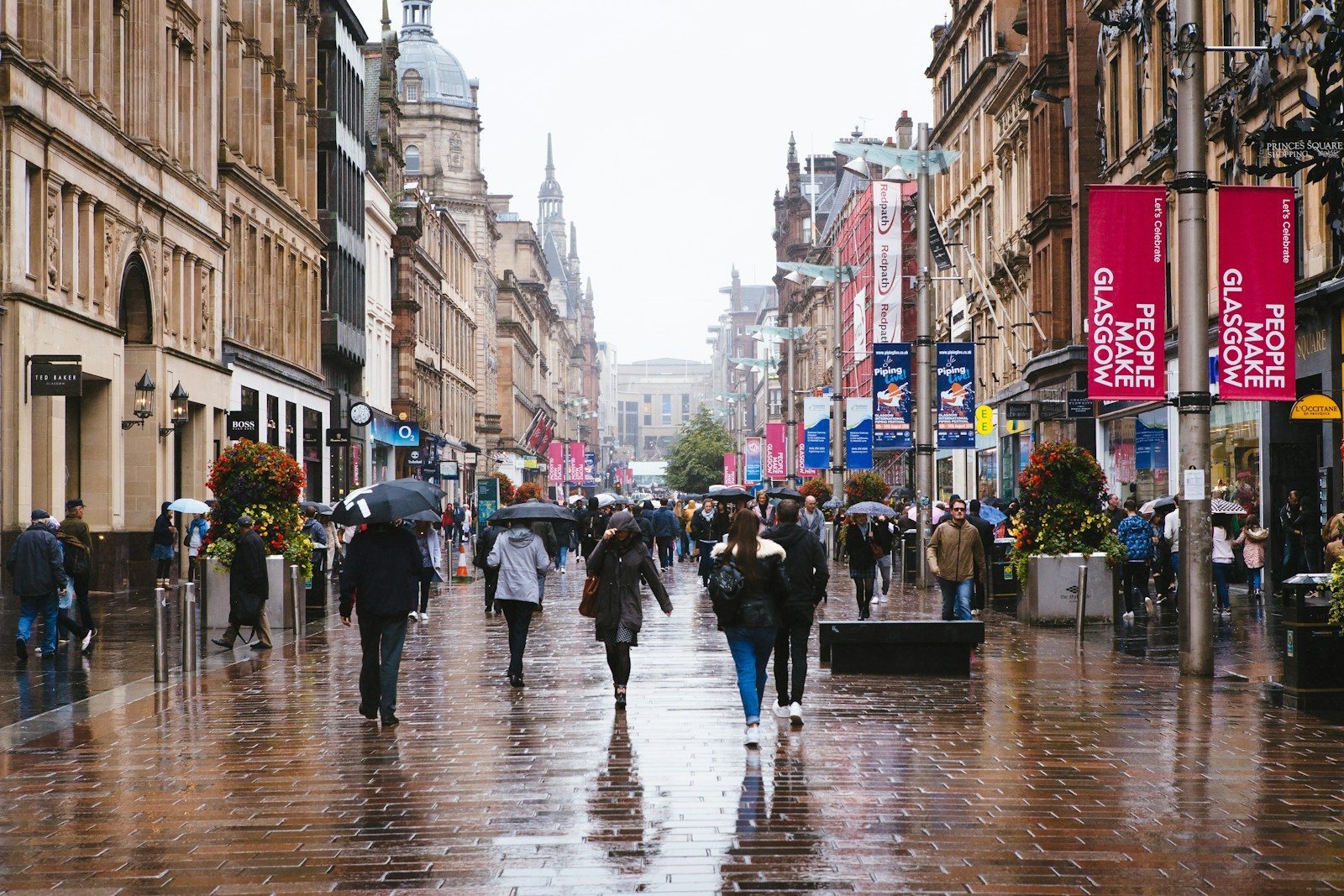
A large portion of the Scotland population lives in the Central Belt, a region between Scotland’s two largest cities.
The Central Belt includes major urban areas such as:
- Glasgow
- Edinburgh
- Stirling
- Falkirk
This region has strong transportation networks, universities, businesses, and government institutions. Because of these opportunities, much of the Scotland population lives in this area. Getting around the city is fairly straightforward thanks to its extensive public transportation system, and many travelers like using a secure phone holder like this one so they can easily follow navigation directions while walking or riding around.
In contrast, rural areas have far fewer residents.
Why the Highlands Have a Small Scotland Population
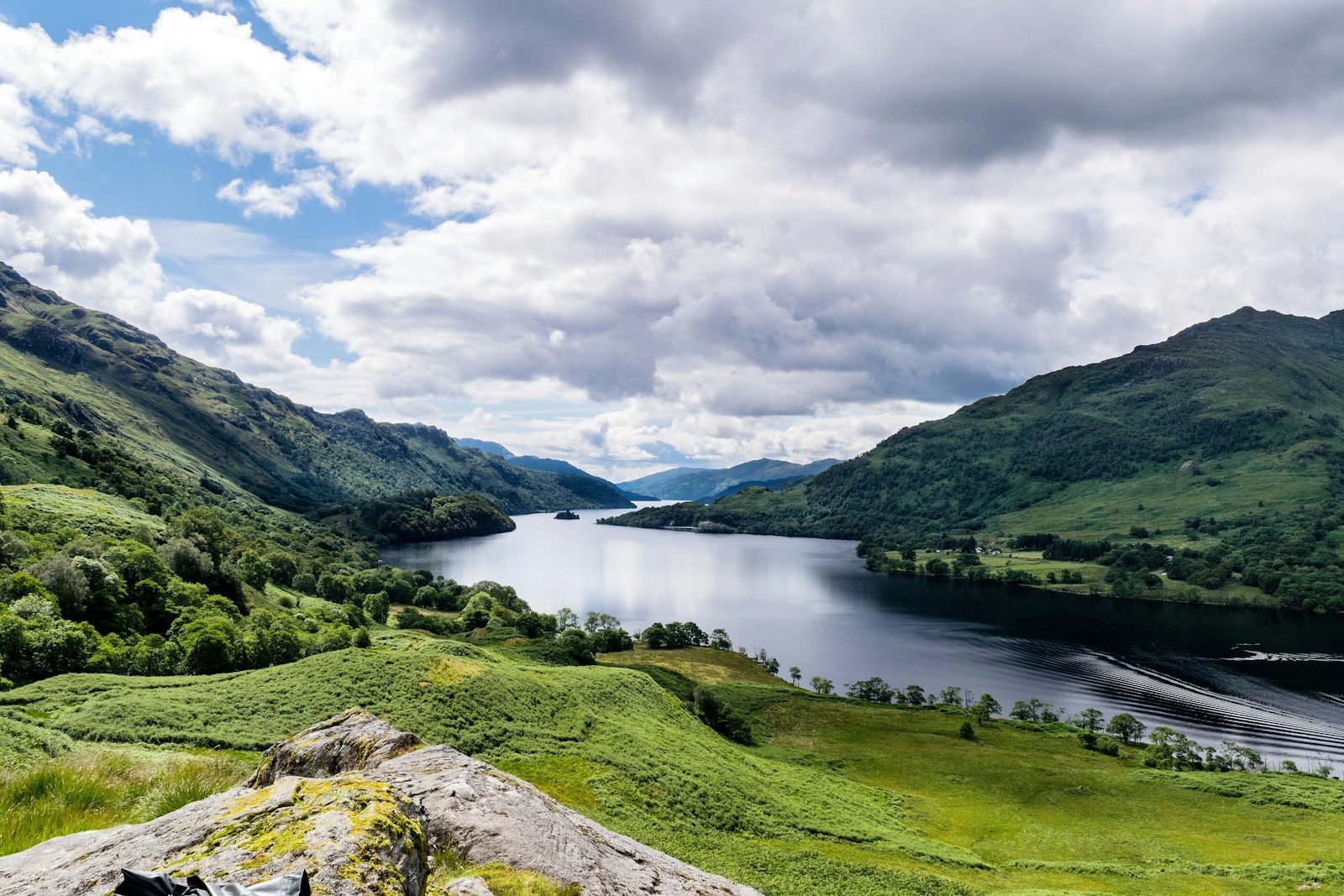
The Scottish Highlands cover a huge portion of northern Scotland, yet the Scotland population in this region is relatively small.
Several factors explain why the Highlands remain sparsely populated:
Rugged terrain
The Highlands are filled with mountains, glens, and remote landscapes that make large-scale settlement difficult.
Limited infrastructure
Transportation, industry, and large cities are less common in the Highlands compared to the Central Belt.
Harsh weather conditions
Weather in the Highlands can be unpredictable and challenging, especially in winter.
These factors have kept the Scotland population concentrated in more accessible regions.
The Highland Clearances and the Scotland Population
One of the most important historical reasons for the uneven Scotland population is a period known as the Highland Clearances—a chapter we explore further in our guide to Scotland’s history.
During the late 18th and early 19th centuries, many Highland residents were forced to leave their homes as landowners converted farmland into sheep pastures.
This caused large numbers of Scotland people to move to cities or emigrate to countries such as:
- Canada
- The United States
- Australia
The Highland Clearances dramatically reduced the Scotland population in rural areas, leaving many regions sparsely populated even today.
Why the Scotland Population Feels Small
Even though millions of people live in Scotland, the country often feels less crowded than other destinations in Europe.
Several reasons contribute to this feeling:
✔ Large areas of protected national parks
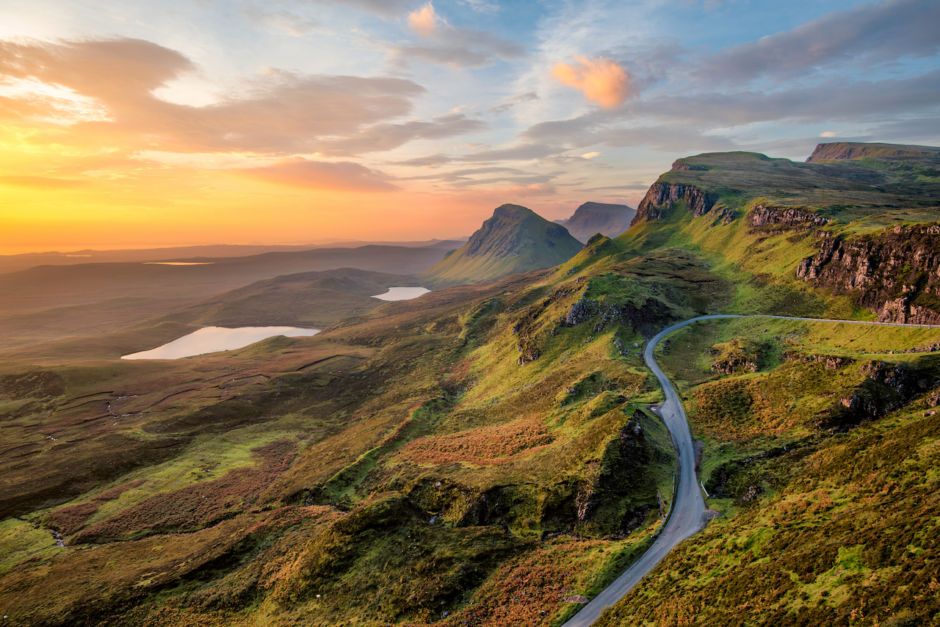
✔ Wide mountain landscapes in the Highlands
✔ Small towns and villages rather than dense cities
✔ Vast rural areas with few residents
Because of these factors, travelers often experience peaceful landscapes where nature dominates the scenery. Thinking about visiting Scotland soon? Having a lightweight backpack like this one makes it easy to carry essentials such as water, chargers, and extra layers while exploring national parks and small towns and villages.
Tourism and the Scotland Population
Even though the permanent Scotland population is relatively small in some regions, tourism brings many visitors to rural areas each year.
Travelers are drawn to:
- Highland mountain scenery
- Historic castles
- Scenic driving routes
- Coastal villages and islands
Tourism helps support local communities in regions where the Scotland population remains small.
Why the Scotland Population Distribution Is Unique
The way the Scotland population is distributed creates a unique balance between vibrant cities and untouched landscapes.
Urban areas provide culture, business opportunities, and modern life, while rural regions preserve Scotland’s natural beauty and historic character.
This contrast is one of the reasons Scotland feels so special to travelers.
Some travelers also carry a mini portable charger like this one in their pocket or bag so they always have backup battery power for maps, photos, and ride apps as they explore the cities and rural regions of Scotland.
Understanding the Scotland Population
Learning about the Scotland population helps explain why traveling through the country often feels peaceful and uncrowded. While cities like Glasgow and Edinburgh are busy and vibrant, much of the country remains dominated by mountains, valleys, and open land.
During our journey, driving through quiet Highland roads made us appreciate how unique Scotland’s population distribution really is. The relatively small Scotland population helps preserve the landscapes that make the country so breathtaking.
For visitors, this balance between lively cities and vast natural spaces is one of the things that makes exploring Scotland so memorable. For a wider look at where people actually live, see our Scotland population guide to cities, regions & growth.









Share your thoughts with us! Leave a Comment!