
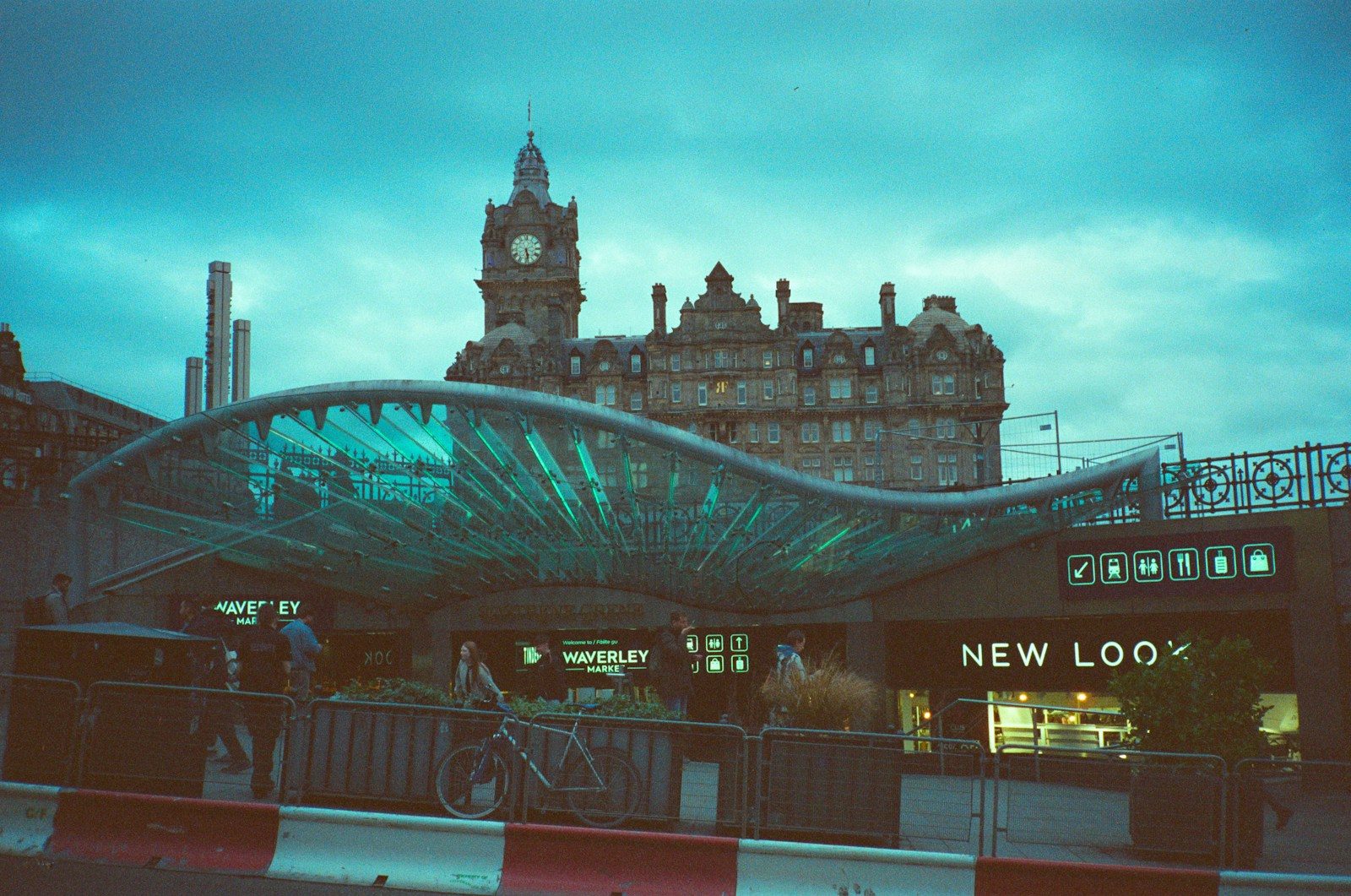
One of the first things we noticed during our trip was how late the sun stayed up. Even after dinner, the sky was still bright and people were out walking, exploring, and enjoying the evening. It quickly made us curious about Scotland time and why daylight seems to last so long. If you are still sorting out the basics, our guide on what time zone Scotland is in explains the clocks in more detail. Because of Scotland’s northern location, the country experiences some of the longest summer days in Europe, and it also shapes the country’s changeable weather through the seasons. Understanding how Scotland time affects daylight helps travelers plan their activities and make the most of their visit.
Get To Know The Traveling Taylors!
How Scotland Time Works
The official Scotland time zone is the same as the rest of the United Kingdom. During the winter months, Scotland follows Greenwich Mean Time (GMT).
In the warmer months, Scotland changes to British Summer Time (BST). This means the clocks move forward by one hour to allow more daylight in the evening.
This seasonal shift in Scotland time helps people enjoy longer daylight hours, especially during spring and summer.
Planning a trip here in the near future? For travelers who want high-quality photos and videos, a lightweight mirrorless camera like this one is a popular option for documenting trips.
Why Summer Days Are So Long in Scotland
The main reason summer days feel so long is Scotland’s northern latitude. Scotland sits much farther north than many popular travel destinations.
Because of this position on the globe, the sun travels a longer arc across the sky during the summer months.
As a result, Scotland time produces:
✔ Earlier sunrises
✔ Later sunsets
✔ Longer daylight hours overall
This is why visitors often feel surprised by how bright it remains even late in the evening.
How Late the Sun Sets in Scotland
During the peak of summer, the sun can set very late in Scotland.
In cities like Edinburgh and Glasgow, sunset can occur around 10:00 PM or later during June. In the far north of Scotland, daylight can last even longer.
Even after sunset, the sky often stays bright for quite a while, creating extended twilight.
This unique aspect of Scotland time allows travelers to enjoy outdoor activities much later in the day than they might expect. With so many extra hours of light, a long summer day is perfect for a Loch Ness, Glencoe & the Highlands day trip from Edinburgh, with time to spare for dinner back in the city.
Thinking about visiting this place soon? Keep this in mind: safety is always important when traveling, and some travelers keep a small personal safety alarm like this one attached to their bag for extra peace of mind if they are planning on staying out late.
Winter Days and Scotland Time
While summer days are long, the opposite happens during winter. Scotland time brings much shorter daylight hours in colder months.
In December, the sun may not rise until after 8:30 AM and may set around 3:30 PM in some areas.
This seasonal contrast is one of the most noticeable features of Scotland time.
Despite the shorter days, winter still offers beautiful scenery, cozy cafés, and festive holiday events.
Layering is one of the best ways to stay warm during winter days in Scotland, which is why many travelers pack thermal base layers like these to wear under their clothes.
How Scotland Time Affects Travel Plans
The long summer days created by Scotland time can be a big advantage for travelers.
Extra daylight allows visitors to:
✔ Explore more attractions in a single day
✔ Take evening walks through cities and villages
✔ Enjoy scenic drives through the Highlands
✔ Capture beautiful sunset photography
Because daylight lasts so long, many travelers find they have extra time to explore, whether that means fitting in more Scotland attractions or venturing out into the Highlands.
Activities That Benefit from Scotland Time
Many outdoor experiences become even better thanks to Scotland’s extended daylight hours.
Popular activities during long summer evenings include:
- Hiking in the Highlands
- Exploring historic castles
- Visiting scenic viewpoints
- Walking along coastal cliffs
Scotland time gives travelers the chance to enjoy these experiences well into the evening. For travelers planning outdoor activities like walking along coastal cliffs or hiking, sport sunscreen like this one helps provide long-lasting protection.
Why Scotland Time Feels Unique
Many travelers are surprised by how different Scotland time feels compared to other destinations. The extended daylight creates a relaxed and enjoyable atmosphere during summer.
People often stay outside longer, restaurants and cafés remain busy into the evening, and the landscapes look especially beautiful under the soft summer light.
This combination of long days and scenic surroundings creates a memorable travel experience.
Thinking about visiting this place soon? Many travelers love bringing an instant camera like this one to capture fun memories at famous landmarks and print photos on the spot.
Experiencing Scotland Time During Your Visit
Understanding Scotland time can help travelers make the most of their trip. The long summer days provide extra opportunities to explore cities, countryside, and historic landmarks.
During our visit, the extended daylight meant we could continue sightseeing long after dinner. Walking through quiet streets or scenic viewpoints late in the evening became one of the most enjoyable parts of the trip.
For anyone planning to visit, Scotland time is more than just a time zone—it’s part of the unique rhythm of life in this beautiful country.











Share your thoughts with us! Leave a Comment!