
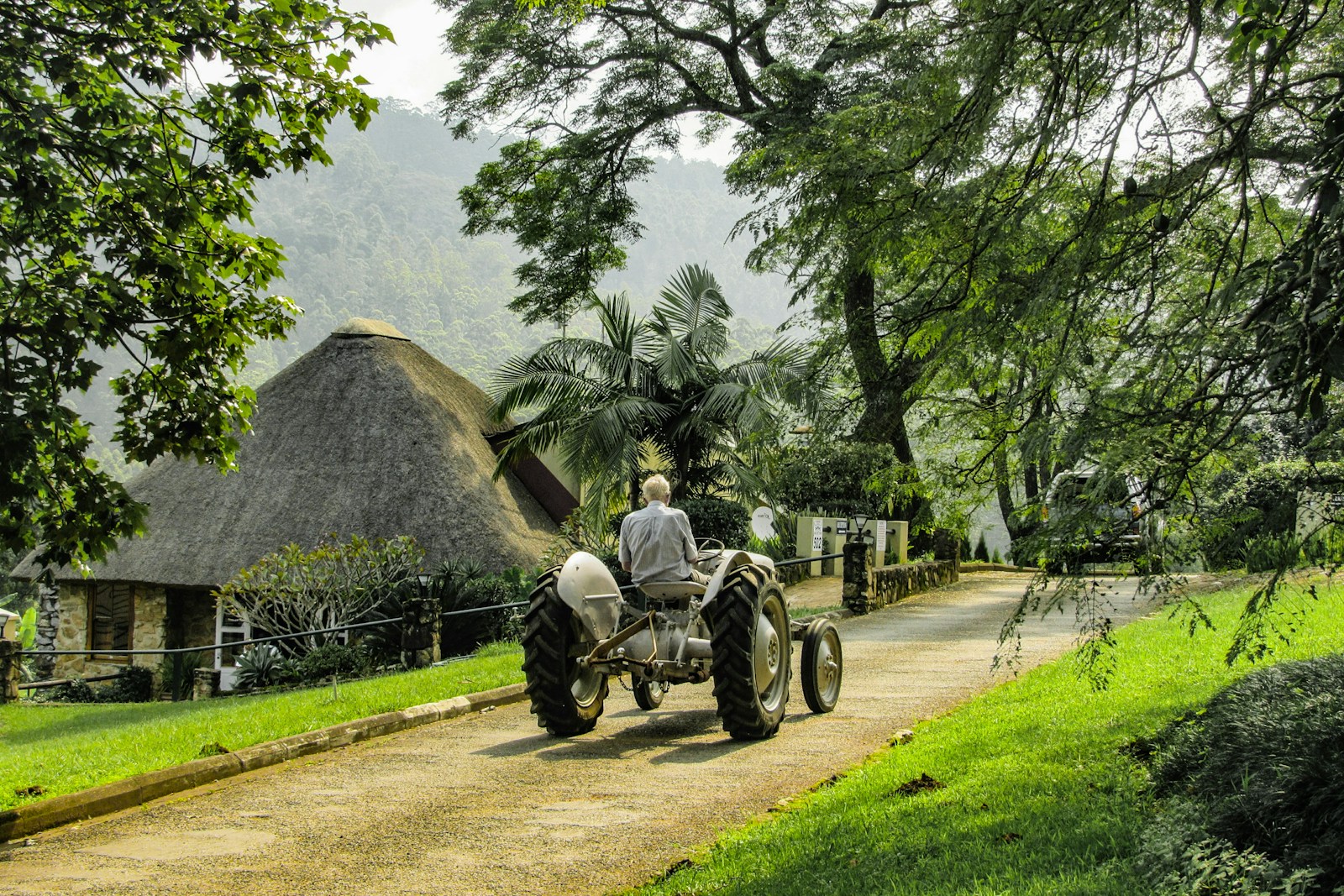
In Botswana, language is more than a means of communication—it’s a reflection of the country’s unity, culture, and hospitality. While English is widely spoken, Setswana (also called Tswana) is the heart of daily life. Here’s a traveler-friendly look at Botswana’s main languages, common phrases, and what they reveal about this warm, welcoming nation.
Get To Know The Traveling Taylors!
1. The Official Languages of Botswana
English: Used in government, education, business, and tourism. You’ll find it on signs, menus, and official documents.
- Setswana (Tswana): The national language spoken by around 80% of the population. It’s the language of community life, conversation, and culture.
💡 Fun Fact: Setswana is also spoken in neighboring South Africa, making it one of Southern Africa’s most widely used languages. It’s the mother tongue of most of Botswana’s population.
Self-care is important when traveling in Botswana, especially after long sightseeing days, and many travelers like using a nourishing body oil like this one to help keep their skin soft and hydrated.
2. How Language Reflects Botswana’s Culture
Setswana isn’t just about words—it’s about respect, tone, and connection.
- Greetings are very important; they show politeness and community spirit.
- Many expressions reflect Botswana’s values of peace and unity.
- Storytelling traditions are deeply tied to the language, passing wisdom through generations. Elevate every journey with a keepsake journal thoughtfully designed for travelers who love capturing memories, documenting adventures, and preserving the fun of every trip.
Traveler Insight: Learning just a few Setswana words will instantly earn you smiles and friendly conversations.
3. Common Setswana Phrases for Travelers
Here are a few useful words and expressions to know before your trip:
| English | Setswana | Pronunciation |
|---|---|---|
| Hello | Dumela | Doo-meh-lah |
| How are you? | O kae? | Oh-kah-eh |
| I’m fine | Ke teng | Keh teng |
| Thank you | Ke a leboga | Keh ah leh-boh-gah |
| Goodbye | Sala sentle | Sah-lah sent-leh |
| Yes | Ee | Eh |
| No | Nnyaa | Nn-yah |
Pro Tip: When greeting someone older or in a formal setting, say “Dumela rra” (hello, sir) or “Dumela mma” (hello, ma’am).
4. Regional and Minority Languages
While Setswana dominates, Botswana’s diversity shines through several smaller languages, including:
- Kalanga (spoken in the north and northeast)
- Sekgalagadi (spoken in the western regions)
- San Languages (spoken by the Basarwa/San communities)
Each contributes to the country’s rich cultural tapestry and storytelling traditions. This diversity is part of what makes for such a high quality of life in Botswana.
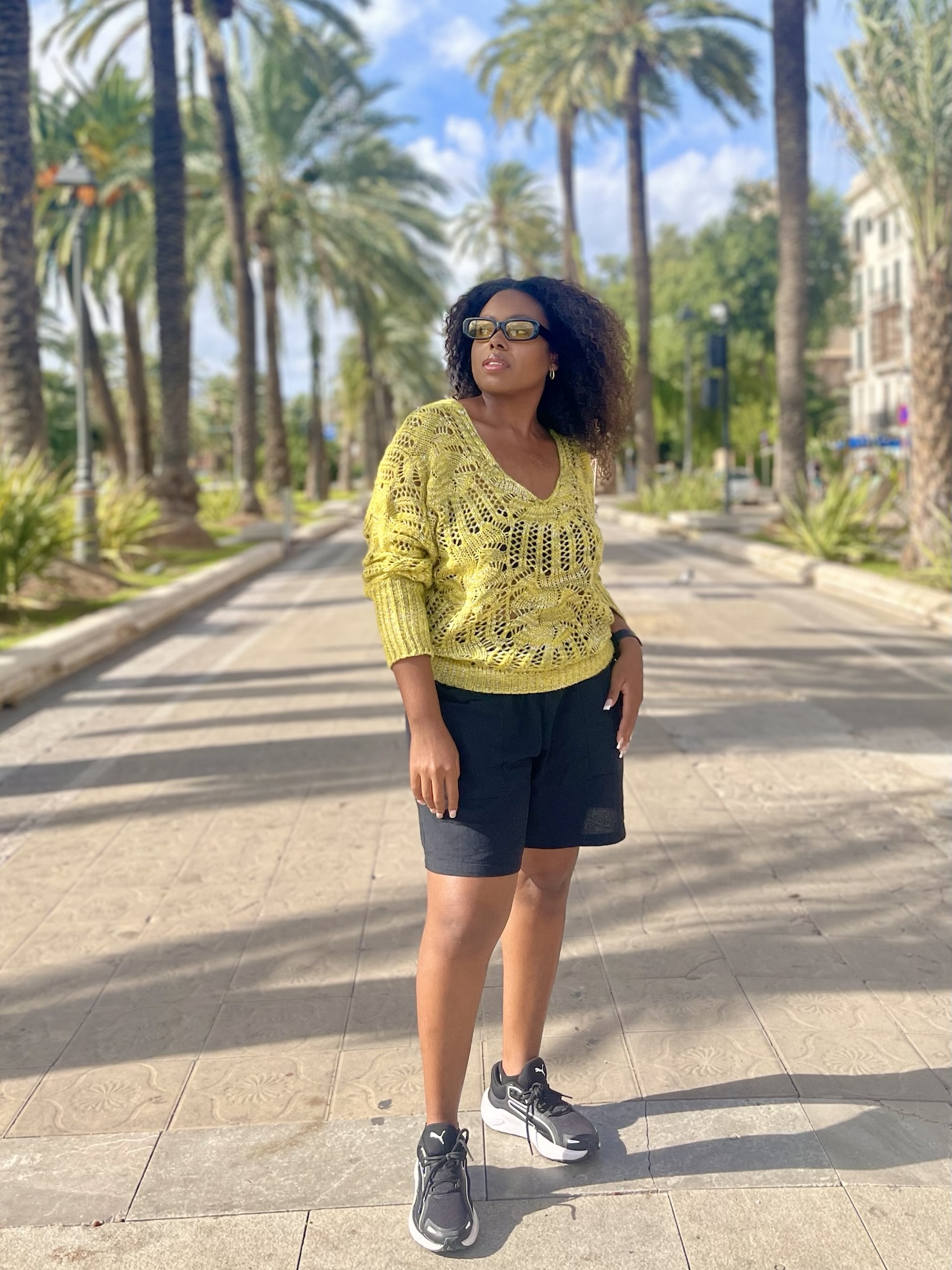
Comfortable shoes are essential when exploring Botswana on foot, and many travelers recommend supportive walking sneakers like these for full days of sightseeing.
5. Language Tips for Travelers
- English works everywhere, especially in cities and tourist areas.
- Try a few Setswana words—locals appreciate the effort.
- Listen carefully: The language has a melodic rhythm, and greetings are often exchanged slowly and warmly.
- Avoid rushing conversations; taking time to greet and respond shows respect.
When visiting famous landmarks and scenic viewpoints in Botswana, many travelers like bringing a compact selfie stick tripod like this one so they can easily capture photos without asking strangers.
Language as a Window into Botswana’s Soul
For travelers, learning a bit of the Botswana language opens doors to deeper connections. From friendly greetings in village markets to conversations with safari guides, Setswana bridges the gap between visitor and local. In Botswana, a simple “Dumela” isn’t just hello—it’s an invitation into a culture built on respect, kindness, and community. Plan the rest of your trip with our complete Botswana travel guide.








Share your thoughts with us! Leave a Comment!