
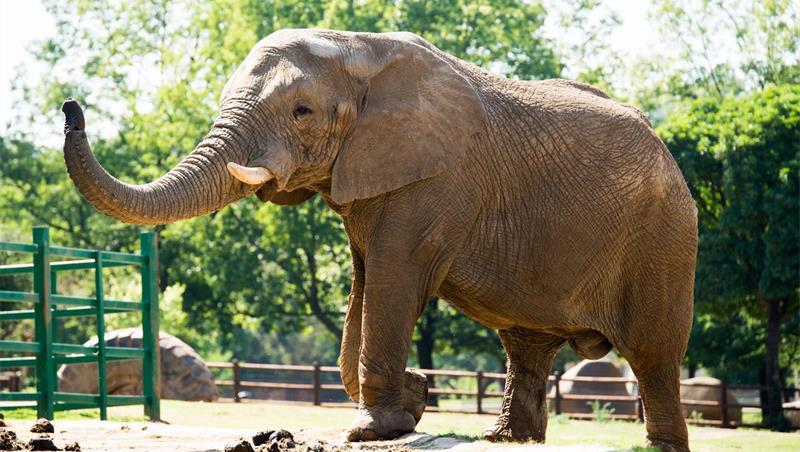
Before packing for your Botswana adventure, it helps to know what the weather has in store. This southern African country may be famous for its safaris, but its climate varies from lush wetlands in the north to arid deserts in the south. The good news? Botswana weather is predictable, with clear seasons that suit every kind of traveler. Here’s how to plan your trip by season—and when to go for the ultimate experience.
Get To Know The Traveling Taylors!
1. Understanding Botswana’s Climate
Botswana has a semi-arid climate, meaning it’s mostly dry with plenty of sunshine. There are two main seasons.
- Dry Season (May–October)
- Wet Season (November–April)
Temperatures range widely between day and night, especially in the desert regions. Mornings can be cool, afternoons warm, and evenings surprisingly chilly in winter.
Traveler Tip: Pack in layers—light clothes for the day and a jacket or fleece for early mornings on safari. Many travelers also like carrying a lightweight backpack like this one so they can comfortably store essentials like chargers, water bottles, and jackets for early morning safaris.
2. Dry Season (May–October): The Classic Safari Months
- Weather: Clear skies, low humidity, and virtually no rain.
- Temperatures:
- Day: 25–30°C (77–86°F)
- Night: 5–10°C (41–50°F), especially cool from June–August.
- What to Expect:
- This is the best time for wildlife viewing, as animals gather around shrinking water sources.
- Vegetation is thinner, making spotting easier for photographers and first-time safari-goers. For travelers who want high-quality photos and videos during their safaris, a lightweight mirrorless camera like this one is a popular choice among content creators and travel photographers.
- Fewer mosquitoes and lower malaria risk.
Best Places to Visit:
- Chobe National Park – Elephant herds along the river.
- Moremi Game Reserve – Excellent predator sightings.
- Okavango Delta – Flooded and teeming with life.
💡 Insider Tip: June to September are peak safari months—book lodges early as spaces fill fast. The dry season is also the ideal time to book a full-day Chobe safari with a game drive and river cruise, and you can plan the rest of your trip with our guides to going on safari in Botswana and exploring Chobe National Park.
3. Wet Season (November–April): The Green and Lively Season
- Weather: Hot days with short, intense afternoon thunderstorms.
- Temperatures:
- Day: 30–35°C (86–95°F)
- Night: 15–20°C (59–68°F)
- What to Expect:
- The landscape turns lush and green—a paradise for photographers.
- Excellent birdwatching season, with migratory species arriving.
- Great time for seeing newborn animals and vibrant wildflowers.
- Roads in remote areas can become muddy or impassable after heavy rain.
Best Places to Visit:
- Makgadikgadi Pans – Flamingos and zebra migrations.
- Kalahari Desert – Cooler temperatures and dramatic skies.
- Okavango Delta – Green season safaris offer unique low-water scenery and lower prices.
Traveler Tip: Bring a light rain jacket, waterproof shoes, and insect repellent. Stay protected with this lightweight women’s rain jacket featuring waterproof, windproof, breathable, and wrinkle-resistant fabric designed for all-day comfort and durability.
4. Shoulder Seasons (April & November): The Hidden Gems
- April: End of the rains—cool, fresh, and less crowded.
- November: Start of the rains—warm, colorful, and vibrant with wildlife.
These transitional months often offer the best of both worlds: fewer tourists, good animal sightings, and great photography light. If you enjoy filming your travel experiences, a tiny wearable camera like this one is a great way to capture hands-free POV footage while walking through iconic locations.
Best For: Budget travelers, photographers, and those wanting a quieter safari experience.
5. Regional Weather Differences
- Northern Botswana (Okavango, Chobe): Hotter and more humid, with seasonal floods creating lush landscapes.
- Central Botswana (Kalahari): Dry and cooler, with big temperature swings between day and night.
- Southern Botswana (Gaborone): Warm and mild year-round, ideal for city visits and day trips.
Pro Tip: The Okavango Delta’s floods depend on rainfall in Angola (upstream), so peak water levels arrive between June and August—months after the local rainy season ends.
6. Best Time to Visit Based on Your Travel Goals
| Interest | Best Time | Why |
|---|---|---|
| Classic Safari | June–October | Dry weather, easy wildlife viewing. |
| Birdwatching | November–March | Migratory species and lush landscapes. |
| Budget Travel | April–May, November | Fewer crowds, better rates. |
| Photography | May–August | Clear skies, golden light, and vibrant contrasts. |
| Romantic Getaways | June–September | Perfect weather for luxury lodges and sunset safaris. |
7. What to Pack for Botswana Weather
- Year-Round: Sunscreen, hat, sunglasses, reusable water bottle.
- Dry Season: Light layers, warm jacket, scarf for chilly mornings. Staying warm with this quilted women’s jacket is the perfect travel layer for chilly mornings, combining a cozy oversized fit with a vintage-inspired style that works effortlessly for safaris.
- Wet Season: Rain gear, quick-dry clothing, and mosquito repellent. Many travelers like carrying insect repellent towelettes like these to help keep mosquitoes and other bugs away during long safari days.
- Optional Extras: Binoculars, camera filters, and travel-size first aid kit. Protecting your skin from the sun while on safari is essential, and many travelers rely on SPF 50 sunscreen spray like this one for quick and easy coverage.
Choosing the Perfect Time to Visit Botswana
No matter when you go, Botswana’s weather sets the stage for adventure. The dry season delivers classic safaris under clear skies, while the wet season brings color, renewal, and fewer crowds. Whether you’re gliding through the Okavango Delta in June or watching storms roll across the Kalahari in January, Botswana’s beauty shines in every season—it just changes its rhythm with the sky. Before you go, brush up on staying safe in Botswana and browse our complete Botswana travel guide.








Share your thoughts with us! Leave a Comment!