
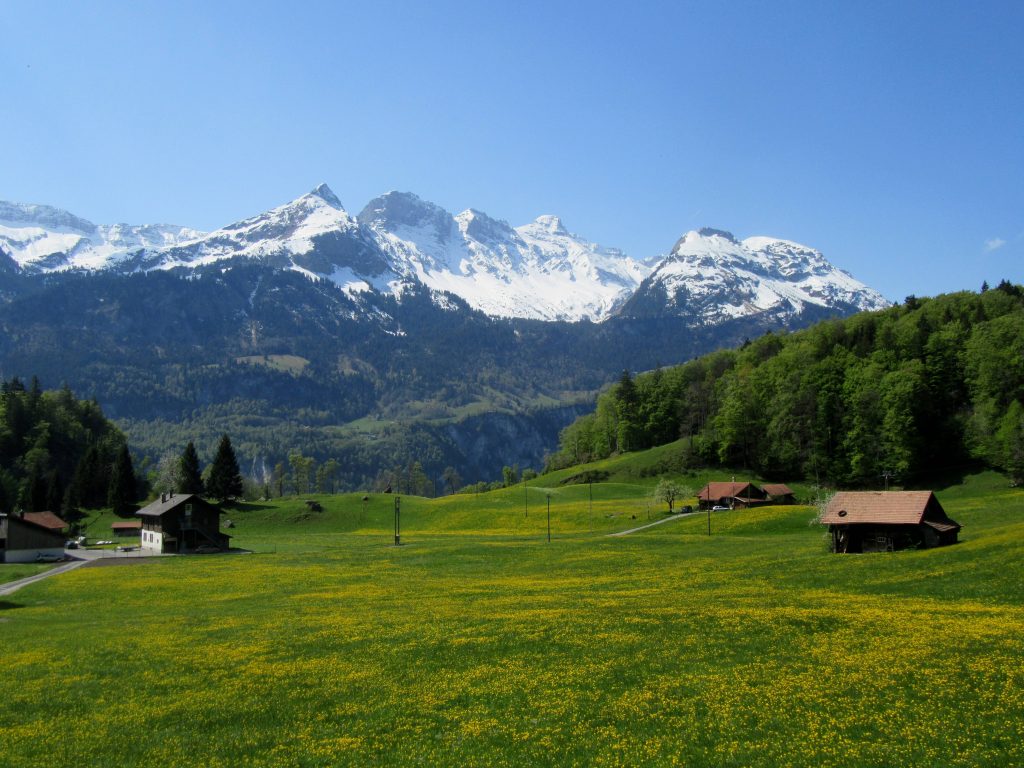
Switzerland weather is famously dramatic, and the country you visit in February is almost a different planet from the one you visit in July. Pack wrong, time it wrong, or pick the wrong region for the season and you can lose entire days to closed cable cars or surprise lake-effect rain. This practical guide breaks down Switzerland weather month by month, region by region, so you know exactly when to go, what to pack, and which alpine secrets only the savviest travelers know about.
Get To Know The Traveling Taylors!
Why Switzerland Weather Is So Wildly Different
Switzerland sits at the crossroads of Atlantic, Mediterranean, and continental climates, and the Alps slice the country into microclimates that can shift in a single train ride. You might board a train in 22°C sunshine in Lugano and step off in a snow flurry in Andermatt 90 minutes later. Because of those swings, smart travelers planning around Switzerland weather often use a warm insulated puffer coat like this one as their everyday outer layer, especially anywhere above 1,500 meters of elevation.
The Three Switzerland Weather Zones to Know
- The Alps — cooler, snowier, wildly variable; expect 10–15°C cooler than the lowlands.
- The Plateau (Zurich, Bern, Lucerne) — mild summers, gray winters, fog in late autumn.
- The Italian-Speaking South (Ticino, Lugano) — the warmest, sunniest region in the country.
Switzerland Weather Month-by-Month
December–February: Peak Switzerland Weather for Snow
This is when Switzerland weather feeds the postcard fantasy: thick snow on chalet roofs, frozen waterfalls in Lauterbrunnen, and steaming mugs of glühwein at Christmas markets. Lowland temperatures hover between -2°C and 5°C, while alpine resorts often sit -10°C and below. Skiing peaks in late January through February. To stay comfortable on chairlifts and frozen sightseeing days, many travelers layer up with thermal base layers like these under their everyday outfits.
March–May: Shoulder-Season Switzerland Weather
Spring is the secret season most tourists overlook. By April, lowland Switzerland weather is in the 10–18°C range, blossoms explode along Lake Geneva, and crowds disappear. The catch: high alpine passes can still be closed into May, and rain showers are common in the Plateau cities. If you are visiting Lucerne, Bern, or Zurich in spring, our Switzerland travel tips guide will help you avoid the early-season closures most travelers miss.
June–August: Summer Switzerland Weather
Summer Switzerland weather is unbelievably good when it cooperates. Lowland temperatures sit in the 22–28°C range, the lakes warm up enough for swimming, and every cable car and hiking trail is open. Heat waves do happen, especially in Geneva and Ticino, and most older buildings still do not have air conditioning. Travelers exploring lake towns and city centers also keep their hydration easy with an insulated stainless steel water bottle like this one that handles both icy lake water and hot herbal teas at altitude.
September–November: Golden Switzerland Weather
September is hands-down the smartest month for most first-timers. Switzerland weather stays mild (15–22°C), summer crowds thin out, and the Alps glow gold by late October. November is the quietest month of the year, but Plateau fog rolls in and many alpine villages start shutting down between seasons. Pack a compact travel umbrella like this one in your day bag, because afternoon showers are the rule, not the exception, throughout autumn.
Switzerland Weather Mistakes Travelers Regret
- Assuming summer means hot — alpine villages can drop to 5°C overnight even in July.
- Skipping rain gear — afternoon thunderstorms hit even on clear-morning days.
- Booking high-altitude excursions on a single day — if Switzerland weather closes Jungfraujoch, you lose your only shot.
- Underestimating UV at altitude — sunburns at 3,000 meters are brutal, even in winter. Spray sunscreens like this one are especially convenient for quick reapplication throughout the day when spending time outdoors during the winter
- Wearing cotton — soaks through fast and dries slowly in mountain humidity.
Pro Packing Tips for Any Switzerland Weather
- Layer in three: base layer, mid-layer fleece, weatherproof shell.
- Always pack one item warmer than the forecast suggests.
- Waterproof footwear is worth its weight in gold from October through May.
- Sunglasses and SPF year-round for the Alps. Long days under the sun call for reliable eye protection, which is why many travelers bring polarized aviator-style sunglasses like these.
- Check the Swiss Meteo app daily once you arrive — forecasts shift fast.
To keep your feet warm during long winter sightseeing days — whether you are touring Lake Lucerne or wandering Christmas markets — thick merino wool socks like these are a small upgrade that completely changes how you experience Switzerland weather above the snow line.
Best Time to Visit Based on Switzerland Weather
- Skiing & snow: mid-January to early March.
- City sightseeing: May, September, early October.
- Hiking: mid-June to late September (high passes open).
- Christmas markets: last week of November through December 23.
- Budget travel: early November and late April.
For a deeper region-by-region rundown of what to do once you have your dates set, our things to do in Switzerland for every season guide is the next read worth bookmarking.
Final Take on Switzerland Weather
Switzerland weather rewards travelers who prepare and punishes the ones who do not. The trick is not picking the “perfect” month — it is matching your goals to the climate window that gives you the best version of the country. Skiers should chase February. Hikers should chase July. Photographers should chase September. Whatever month you pick, layer smart, watch the forecast daily, and treat sudden Switzerland weather changes as part of the adventure, not an obstacle.










Share your thoughts with us! Leave a Comment!