

When we first planned our trip to Wales, we didn’t think much about the language. English is spoken across the UK, right? But once we arrived, it was clear: the Wales language — Welsh, or Cymraeg — isn’t just surviving. It’s everywhere. From road signs to train announcements to conversations in cafés, Welsh is an active, vibrant part of everyday life. So, what’s it actually like to visit if you don’t speak it? Here’s what to expect.
Get To Know The Traveling Taylors!
Yes, Everyone Speaks English — But That’s Not the Whole Story
You won’t run into language barriers in the way you might in non-English-speaking countries. English is universally spoken in Wales, and all signage, menus, and public information are bilingual. But Welsh is often the first language in certain areas — especially in North and West Wales.
What You’ll Hear:
- In rural towns: Welsh may be spoken casually between locals.
- On transport: Announcements are often made in Welsh first, then English.
- In shops: You might be greeted with “Shwmae!” (Hello).
Reading about a place is great, but experiencing it in person is even better—and a compact selfie stick tripod like this one makes it easy to capture photos and videos without needing to ask strangers for help.
You’ll See (and Hear) the Wales Language Everywhere
From the moment you land at Wales Airport or drive into the countryside, you’ll notice Welsh on everything — signs, buildings, license plates, even ATM options. It’s more than a formality; it’s a visible and audible part of the culture.
Expect This:
- Bilingual signs with Welsh often listed first.
- Welsh-language radio stations, music, and children’s TV channels.
- Schoolchildren learning (and speaking) Welsh as part of their curriculum.
Locals Appreciate Even the Smallest Effort
You don’t need to be fluent — or even try full sentences — but showing interest in the Wales language goes a long way. Most Welsh speakers also speak English fluently, but using even one or two words shows respect and curiosity.
Easy Phrases to Try:
- Shwmae (Hello)
- Diolch (Thank you)
- Bore da (Good morning)
- Hwyl fawr (Goodbye)
Welsh Identity Is Tied to the Language
For many locals, Welsh isn’t just a language — it’s a key part of who they are. It’s closely tied to national identity, cultural pride, and even political autonomy. The revival of Welsh in schools and media is part of a broader movement to preserve and celebrate Welsh heritage.
Cultural Tip: Asking about the language (respectfully) can lead to some great conversations — especially in places like Cardiff, Aberystwyth, or Caernarfon.
Thinking about visiting Wales soon? Keeping important items secure while traveling is easier with a hidden money belt like this one designed to store passports, cards, and cash.
What Surprised Us Most
- How confident young people are using Welsh in daily life.
- How immersive it felt to be surrounded by a language we didn’t speak — yet never felt excluded by.
- How beautiful it sounds, especially when sung or spoken in poetry.
Should You Learn Some Welsh Before Visiting?
You don’t have to — but if you do, it’ll absolutely enhance your experience. Apps like Duolingo or websites like LearnWelsh.cymru offer free resources. Even just learning the basics makes the landscape feel more connected and meaningful.
Pro Tip: Learning how to pronounce place names (like Llanelli or Betws-y-Coed) will help with navigation and spark smiles from locals.
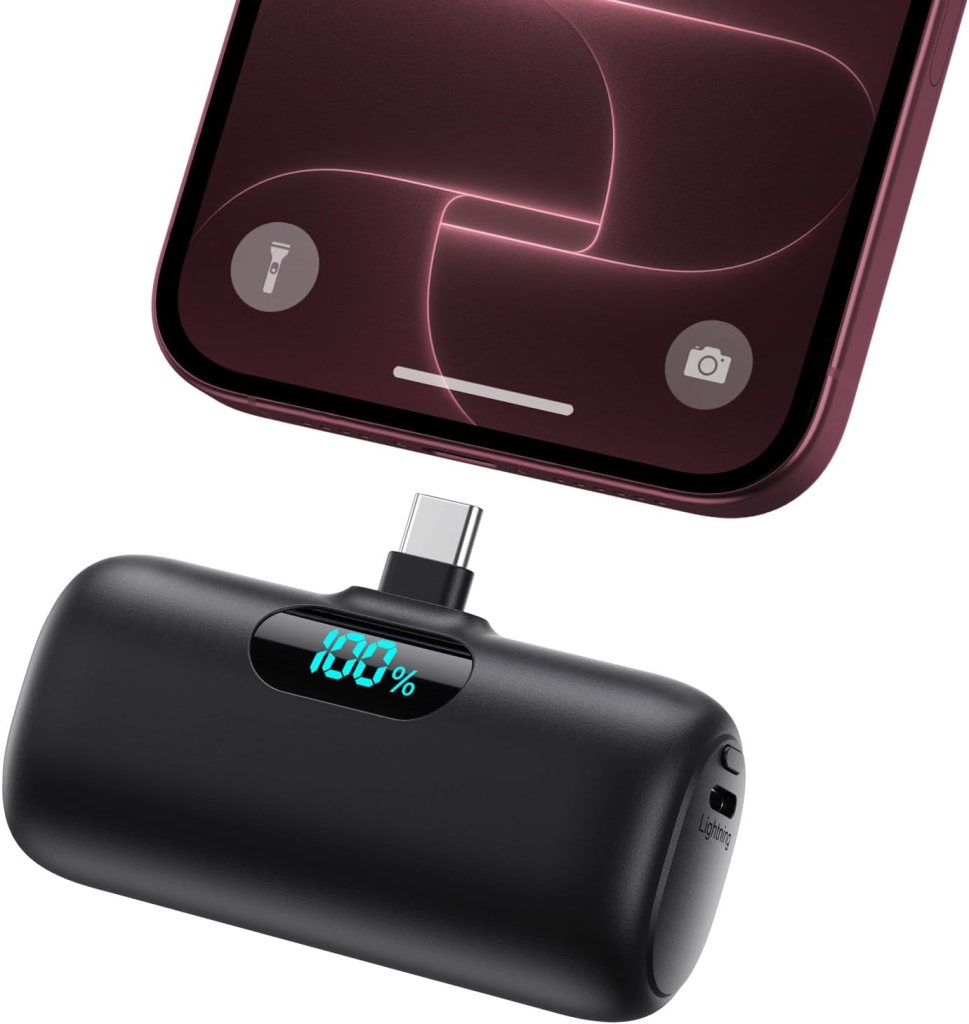
Traveling to Wales in the near future? A small portable charger like this one is another travel essential many people keep in their bag so they always have backup battery power while exploring.
Don’t Worry — But Do Stay Curious
Not speaking the Wales language won’t hold you back, but being open to it will open doors. You’ll leave with more than just photos — you’ll carry home a deeper appreciation for a culture that’s kept its voice alive through centuries of change. So don’t stress about the dragon-tongue names or double Ls — just listen, learn a little, and let the rhythm of Welsh add depth to your journey.













Share your thoughts with us! Leave a Comment!