
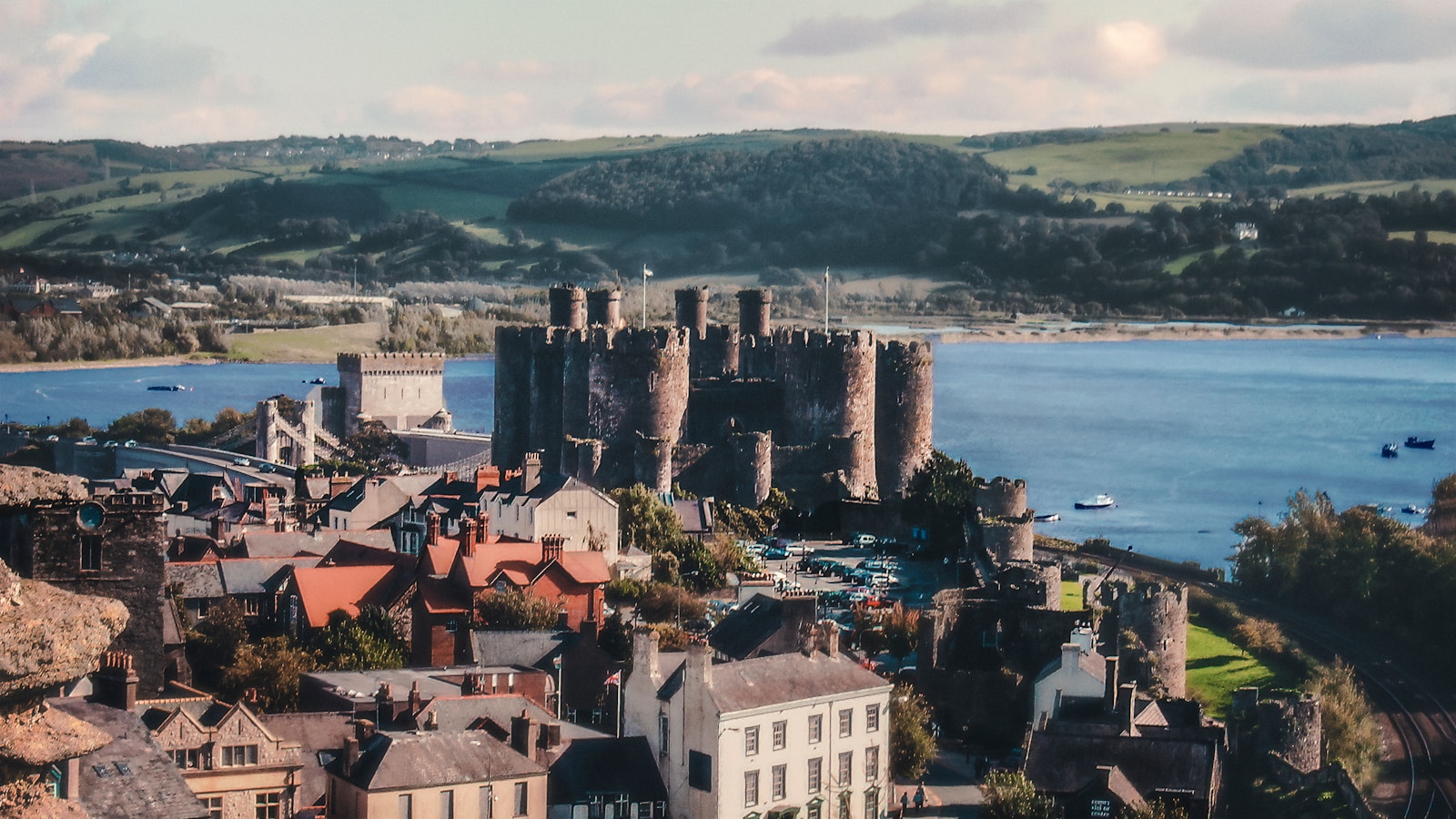
Wales is part of the United Kingdom — but ask someone in Cardiff, Caernarfon, or Carmarthen where they’re from, and you’re likely to hear one answer first: “I’m Welsh.” Wales nationality is more than a passport label. It’s a living, breathing identity that’s growing stronger with every generation. From the surge in Welsh-language speakers to a rising cultural movement, here’s what it truly means to be Welsh today — and why it matters more than ever.
Get To Know The Traveling Taylors!
A Proud Identity — Rooted in Language
The Welsh language (Cymraeg) is at the heart of the national identity. Once suppressed, it’s now taught widely in schools, featured in government signage, and used in everything from music to TikTok.
Fast Fact: Over 30% of children in Wales are now educated through the medium of Welsh — and that number is growing.
Why It Matters: Language is more than communication — it’s culture, history, and pride. For many Welsh people, speaking their language is a key part of being truly Welsh.
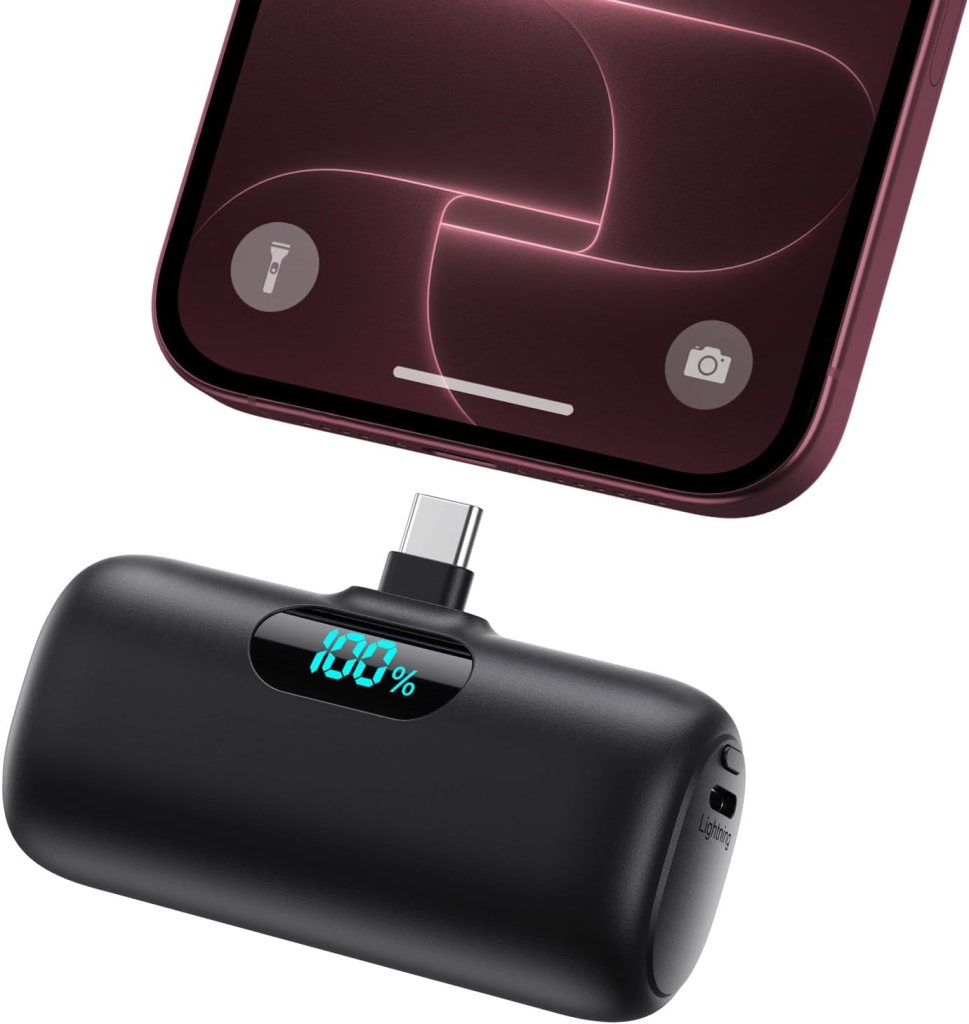
Traveling to Wales in the near future? A small portable charger like this one is another travel essential many people keep in their bag so they always have backup battery power while exploring.
Welsh, Not Just British
While people in Wales carry UK passports and are technically British citizens, many prefer to identify as Welsh first. This isn’t an anti-British sentiment — it’s about national self-definition, distinct from England, Scotland, or Northern Ireland.
Thinking about visiting Wales soon? Keeping important items secure while traveling is easier with a hidden money belt like this one designed to store passports, cards, and cash.
Recent Stats: In national identity surveys, the number of people identifying as “Welsh only” continues to rise — especially among younger generations.
A Revival in National Symbols
From the red dragon flag to St. David’s Day celebrations, Wales is embracing its symbols more openly than ever before. You’ll see the Wales flag flown proudly from homes, stadiums, and shops across the country — far more often than the Union Jack.
Look For:
- Daffodils and leeks as national emblems
- Welsh hymns at rugby matches
- Bilingual slogans on shirts, bags, and street art
Wales Nationality and Political Autonomy
The idea of being Welsh is also increasingly tied to questions of devolution and independence. While Wales has had its own Senedd (parliament) since 1999, movements calling for full independence have gained traction in recent years.
- There are growing calls for more control over energy, education, and language policy
- “Yes Cymru,” the pro-independence campaign, continues to build momentum
- National debates center on how to define Welshness beyond borders and governance
Cultural Expression Through Art, Music, and Sport
From contemporary Welsh pop music to global recognition of Welsh actors and authors, Wales is asserting its cultural identity on a broader stage.
Highlights:
- More Welsh-language artists on global music charts
- An expanding presence of Welsh stories in streaming platforms
- Rugby, football, and music festivals doubling as national pride showcases
A Nation with Global Connections — But a Unique Soul
Wales nationality doesn’t exist in isolation. Many Welsh people feel a deep connection to the global Celtic diaspora, especially in Patagonia (Argentina), parts of the US, and Canada.
But Still: There’s a growing emphasis on what makes Wales uniquely Wales — not just as a region, but as a country with its own culture, language, and worldview.
Experience Wales in person. For travelers who enjoy documenting their adventures, a tiny wearable camera like this one makes it easy to capture hands-free POV footage while exploring.
Wales Nationality Is a Force of Its Own
Wales nationality means more than ever: it’s language, culture, pride, and place — deeply rooted and forward-looking. Whether you’re traveling through Snowdonia, exploring Cardiff’s cultural scene, or chatting with locals in a village pub, you’ll feel it. And once you do, you’ll understand: Wales isn’t just part of the UK. It’s a nation — and a proud one.






Share your thoughts with us! Leave a Comment!