

When planning a trip to Scotland, one practical question many travelers ask is about the Scotland time zone. Knowing the local time helps with flight schedules, booking tours, and staying connected with friends or family back home. Fortunately, understanding Scotland time is fairly simple because the country follows the same time system as the rest of the United Kingdom. However, seasonal daylight changes and long summer evenings can make Scotland time feel a little different from what visitors expect.
Get To Know The Traveling Taylors!
What Time Zone Does Scotland Use?
The official Scotland time zone is Greenwich Mean Time (GMT) during the winter months. This is the same time zone used across the United Kingdom.
GMT is the global reference point used to measure time around the world. Many countries set their time zones based on their difference from GMT.
Because Scotland uses GMT in winter, the Scotland time zone is often referred to as GMT+0 during this period.
Cold weather destinations often mean long days outdoors, and many travelers bring disposable hand warmers like these to keep their hands warm while exploring.
Scotland Time During Daylight Saving
Like many countries in Europe, Scotland adjusts its clocks during the warmer months through Daylight Saving Time.
During this period, Scotland time changes from Greenwich Mean Time (GMT) to British Summer Time (BST).
This shift moves the clock one hour forward, making the time zone:
- GMT +1
Daylight Saving Time in Scotland usually begins in late March and ends in late October.
This change allows for longer daylight hours during the evening which provides more time to explore.
Thinking about visiting this place soon? Keeping important items secure while traveling is easier with a hidden money belt like this one designed to store passports, credit cards, and cash.
Why Scotland Uses Daylight Saving Time
Daylight Saving Time helps make better use of daylight during the summer months.
Because Scotland sits relatively far north, daylight hours vary significantly throughout the year, much like the way the weather in Scotland shifts with the seasons. Adjusting the clock helps people enjoy more sunlight in the evening.
During summer, Scotland time allows residents and visitors to enjoy outdoor activities long after traditional working hours.
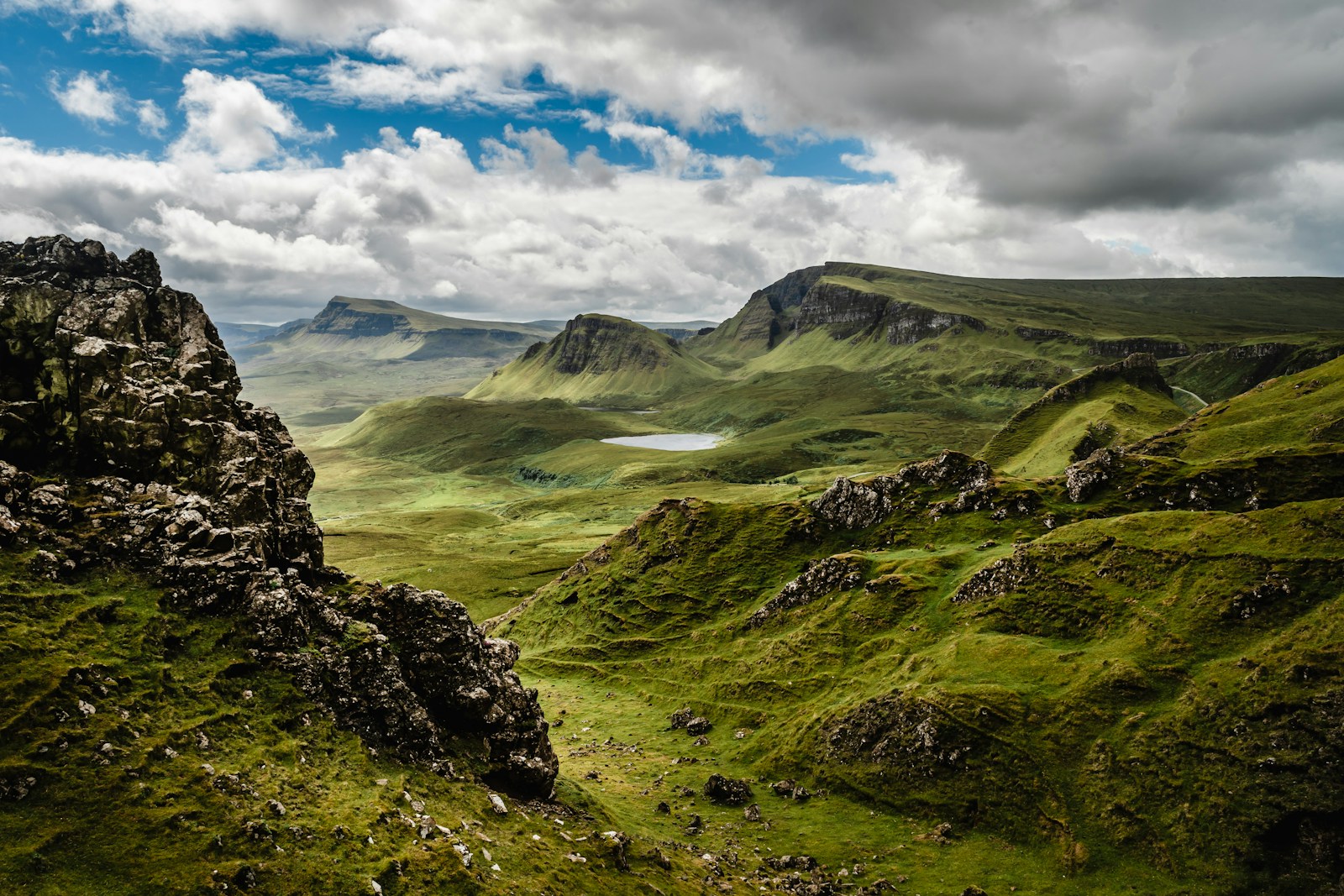
This is especially noticeable when exploring scenic landscapes or cities during long summer evenings.
Learning about a place is interesting, but visiting it yourself brings it to life. Thinking about visiting Scotland soon? Keep this in mind: safety is always important when traveling, and some travelers keep a small personal safety alarm like this one attached to their bag for extra peace of mind.
How Scotland Time Affects Daylight Hours
One interesting feature of Scotland time is how dramatically daylight hours change between seasons.
In summer, the sun can set very late in the evening. In some northern parts of Scotland, daylight may last until nearly 11:00 PM.
In winter, daylight hours are much shorter. The sun may rise later in the morning and set as early as 3:30 PM in northern areas.
These seasonal differences are a unique aspect of Scotland time that many travelers find fascinating, and it’s a big part of why summer days in Scotland feel so long.
Scotland Time Compared to Other Countries
If you’re traveling internationally, understanding the difference between Scotland time and your home time zone can be helpful.
For example:
- Scotland is typically 5 hours ahead of Eastern Time in the United States during winter.
- Scotland is 8 hours ahead of Pacific Time in the United States during winter.
During British Summer Time, the difference may change slightly depending on whether other countries are also observing daylight saving changes.
Checking time differences before traveling can help avoid confusion with flights or scheduled tours.
Scotland Time and Travel Planning
Knowing the Scotland time zone can make travel planning much easier. Travelers often adjust quickly to local time once they arrive.
Here are a few helpful tips:
Adjust your watch or phone when you arrive
This helps you quickly adapt to Scotland time.
Plan activities around daylight hours
Summer evenings offer extra time for sightseeing.
Check local time for tours and transportation
Schedules always follow Scotland time, whether you’re catching a train or confirming what time it is in Edinburgh.
These simple steps help ensure a smooth travel experience.
Why Scotland Time Feels Different in Summer
Many travelers notice that Scotland time feels unusual during the summer months. This is mainly due to the long daylight hours.
Even late in the evening, cities and countryside locations remain bright. This extended daylight often encourages people to stay outdoors longer, enjoying parks, scenic views, or evening walks.
The long summer evenings are one of the most memorable aspects of experiencing Scotland time.
Thinking about visiting Scotland soon? Many travelers prefer a compact crossbody-style fanny pack like this one because it keeps essentials secure while walking through busy areas.
Understanding Scotland Time Before Your Trip
Learning about Scotland time is a simple but useful part of planning a visit. The country follows the same time zone as the rest of the United Kingdom, using Greenwich Mean Time in winter and British Summer Time in summer.
During our trip, adjusting to Scotland time was easy, but the long summer evenings were something we didn’t expect. Having daylight well into the evening made sightseeing even more enjoyable.
For travelers exploring Scotland, understanding Scotland time helps make the journey smoother while allowing you to make the most of your time in this beautiful country.












Share your thoughts with us! Leave a Comment!