
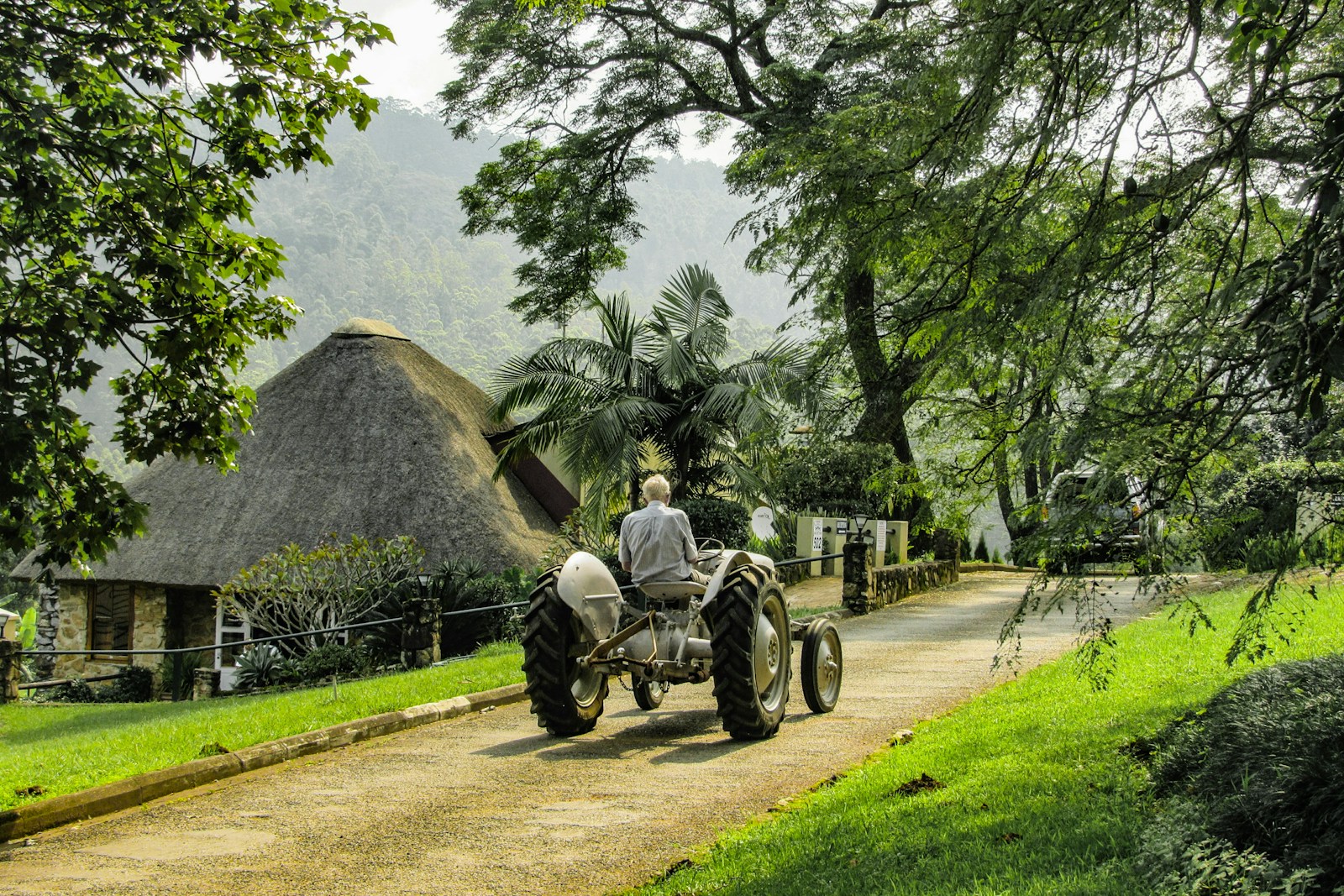
When we explored Zimbabwe, we were struck by the vibrant energy of its cities and the peaceful rhythm of its rural towns. But what really caught our interest was how the Zimbabwe population is shifting—and what that means for travelers. If you want the fuller picture, we break down how Zimbabwe’s population is changing in a companion post. Zimbabwe is a country on the move, and its population tells a fascinating story.
Get To Know The Traveling Taylors!
What Is the Zimbabwe Population?
Zimbabwe’s population is estimated at approximately 16.9 million people.
That’s a steady rise from:
- 15.1 million in 2022 (official census)
- 13 million in 2012
💡 Quick Fact: Zimbabwe has one of the youngest populations in Africa, with over 60% under the age of 25.
Where Do People Live in Zimbabwe?
Despite its growing population, Zimbabwe isn’t overcrowded. In fact, much of the country is open and sparsely populated.
Here’s how it breaks down:
- Urban Areas (38%): Harare, Bulawayo, and Mutare are the largest cities. Harare alone has over 2 million residents.
- Rural Areas (62%): The majority of Zimbabweans live in villages, small towns, or agricultural regions.
🗺️ Travel Tip: Rural areas offer incredible cultural experiences, and they’re often less touristy. Capture amazing cultural footage with a Drone like this featuring ultra-high-definition video for vivid detail and crystal-clear scenery shots.
Population Density: Is Zimbabwe Crowded?
Not really. Zimbabwe’s population density is about 45 people per square kilometer, compared to:
- South Africa – 49/km²
- United Kingdom – 280/km²
- India – 470/km²
💬 In Our Experience: Even in major cities, we never felt overwhelmed by crowds. There’s space to breathe, especially if you venture off the beaten path. We did pay attention to self-care while sightseeing days in Zimbabwe, and we liked using a nourishing body oil like this one to help keep their skin soft and hydrated.
Why Is the Population Growing?
Zimbabwe’s population is increasing slowly but steadily due to:
- High birth rates (though declining gradually)
- Improved healthcare
- Return migration—many Zimbabweans are coming back after years abroad
However, growth isn’t uniform. Urban areas are expanding fast, while some rural areas are seeing youth migration to cities.
If they’re exploring crowded attractions in urban areas, some travelers like carrying a hidden money belt like this one to keep their passport and cash secure.
How Does the Zimbabwe Population Affect Travel?
Here’s what travelers should know:
✅ More Cultural Events: A youthful population means more music, festivals, and local experiences—especially in urban hubs. Many travelers recommend an ultimate travel action camera like this for capturing stunning photos and videos of every adventure in incredible detail.
✅ Improved Infrastructure: Population growth is spurring investment in transport, tourism, and accommodation.
🟡 Busy Border Crossings: Places like Beitbridge (South Africa–Zimbabwe) can get crowded—arrive early or book ahead.
🟢 Warm Hospitality: The people of Zimbabwe are its strongest asset. A growing, youthful population brings energy and genuine warmth to every encounter.
Who Are the People of Zimbabwe?
Zimbabwe is home to diverse ethnic and cultural groups. The major ones include:
- Shona (70%) – Mostly in central and eastern regions
- Ndebele (15%) – Concentrated in the southwest
- Other minorities – Including Tonga, Chewa, and European Zimbabweans
English is widely spoken, but Shona and Ndebele are the main local languages.
🔗 Want to speak like a local? Read our Zimbabwe Language Guide: 7 Phrases You’ll Actually Use
What Travelers Can Learn From the Zimbabwe Population
Understanding population dynamics helps you:
- Choose destinations wisely (rural vs. urban)
- Travel with cultural sensitivity
- Appreciate the country’s development and resilience.
Whether you’re visiting for a safari, a cultural tour, or to see Victoria Falls, knowing the human landscape adds depth to your journey. For trip logistics and things to do, see our full Zimbabwe travel guide.
Some travelers memorialize their experience in Zimbabwe with a keepsake journal like this one thoughtfully designed for travelers who love capturing memories, documenting adventures, and preserving the fun of every trip.
Why the Zimbabwe Population Matters
The Zimbabwe population is more than just a number—it’s a window into a country that’s youthful, growing, and rich in culture. As a traveler, it helps to understand how these dynamics shape your experience, from the buzz of Harare to the serenity of Matobo Hills.








Share your thoughts with us! Leave a Comment!