
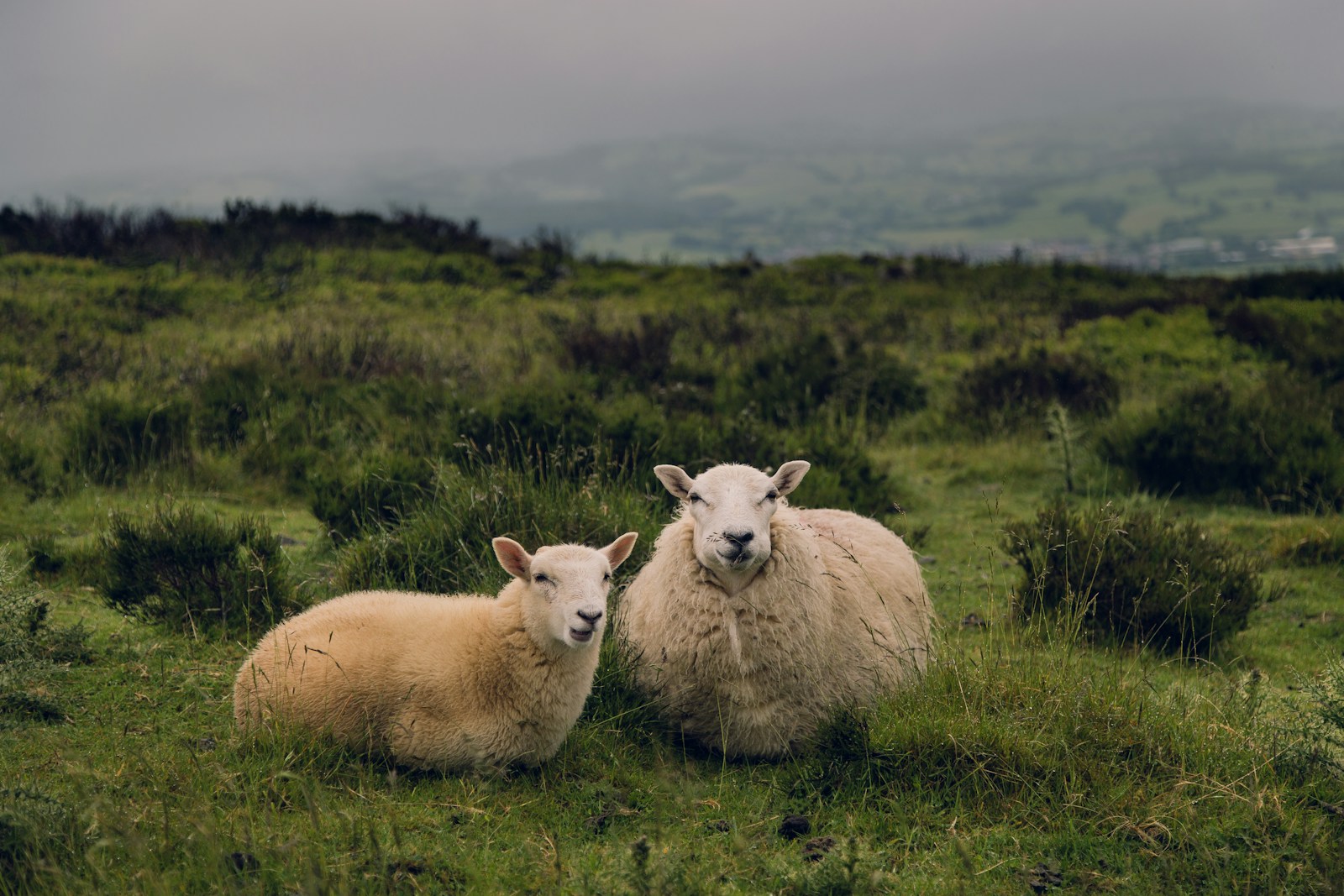
Wales is part of the UK, but it doesn’t sound like anywhere else — especially once you hear the melodic, consonant-rich Wales language, known as Welsh or Cymraeg. While you don’t need to be fluent to visit, learning just a few key words can deepen your experience and show locals that you care about their culture. Here are 10 essential Welsh words and phrases every traveler should know before arriving in Wales.
Get To Know The Traveling Taylors!
1. Shwmae (Shoo-my) – Hello
This friendly greeting is often used in both casual and formal settings. You might hear it in shops, cafés, or even from street signs promoting Welsh language use.
Use it when: You enter a small shop or greet someone in a rural village.
Learning about a place is interesting, but visiting it yourself brings it to life. Thinking about visiting Wales soon? Keep this in mind: safety is always important when traveling, and some travelers keep a small personal safety alarm like this one attached to their bag for extra peace of mind.
2. Diolch (Dee-olkh) – Thank You
One of the most useful words in any language. Pronounced with a soft “kh” at the end (like the Scottish loch), it’s often said after service or help — and it always gets a smile.
Use it when: Paying at the register or thanking someone for directions.
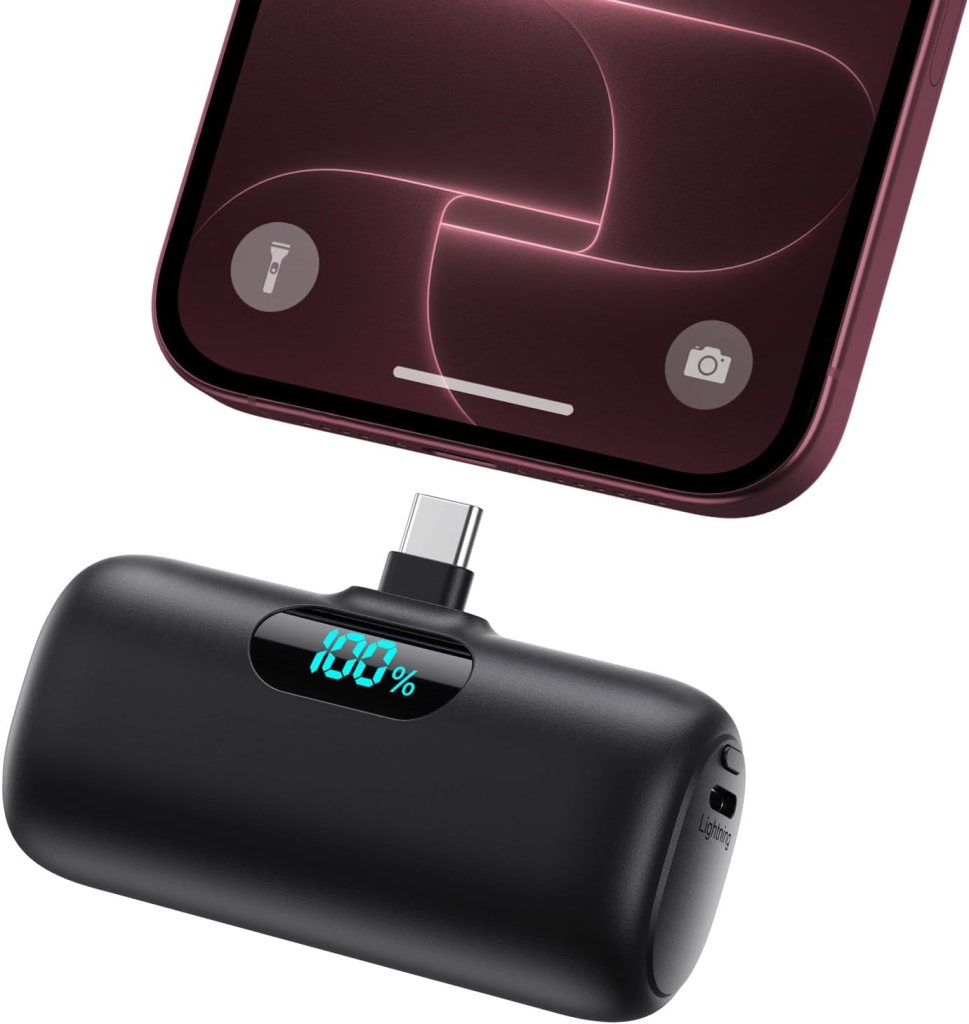
Traveling to Wales in the near future? A small portable charger like this one is another travel essential many people keep in their bag so they always have backup battery power while exploring.
3. Croeso (Croy-so) – Welcome
You’ll see this everywhere — on signs, menus, even doormats. It’s a lovely word that represents the warm hospitality Wales is known for.
Use it when: Greeting someone at your accommodation or learning signage meanings.
4. Bore da (Bor-eh dah) – Good Morning
Starting your day with a Welsh greeting sets the tone. Locals appreciate the effort, even in bigger towns like Cardiff or Swansea.
Use it when: Ordering breakfast or walking through a village in the morning.
5. Nos da (Noss dah) – Good Night
Another useful phrase, especially if you’re staying with hosts or want to end a chat politely.
Use it when: Leaving a pub or saying goodnight at a B&B.
6. Hwyl fawr (Hoo-eel vowr) – Goodbye
A cheerful way to say farewell. It’s often paired with a wave or a smile.
Use it when: Parting ways with shopkeepers or hosts.
7. Iechyd da (Yeh-khid dah) – Cheers / Good Health
This is your go-to toast at the pub. It literally means “good health” and is the Welsh version of “cheers.”
Use it when: Clinking glasses with locals over a pint of Welsh ale.
8. Araf (Ah-rahv) – Slow
You’ll see this on road signs — especially in rural areas or near schools. It’s a helpful one to recognize when driving.
Use it when: Reading signs during a road trip through the countryside.
9. Merched & Dynion (Mehr-ched & Dun-yawn) – Women & Men
Helpful when finding your way to the correct public restroom! These two are worth remembering to avoid any awkward moments.
Use it when: Navigating public facilities, especially outside major cities.
Thinking about visiting Wales soon? Many travelers prefer a compact crossbody-style fanny pack like this one because it keeps essentials secure while walking through busy areas.
10. Cymru (Cum-ree) – Wales
You’ll hear and see this everywhere. It’s the Welsh name for Wales and shows up on signs, flags, and local products.
Use it when: Talking about your travels or spotting patriotic signs and slogans.
Why Learning a Bit of the Wales Language Matters
Welsh is more than a translation — it’s part of the heart of the country. It connects you to the people, the culture, and the stories that have shaped this proud nation. Even using just a few words can earn appreciation and spark a warm moment with a local.











Share your thoughts with us! Leave a Comment!